Bite Me The Show About Edibles
Make great cannabis edibles at home for less money.
Cannabis infused body products (often called topicals) are one of the most accessible and approachable ways to use cannabis at home. Salves, balms, body oils, massage oils, and intimate lubricants all fall into this category, and making them yourself means you control exactly what goes into them. No mystery ingredients, no markup, and no guesswork about potency.
Most topicals do not enter the bloodstream, so they do not produce the high associated with edibles. They work locally, which makes them a great option for people who want the benefits of cannabis without intoxication.
Cannabis compounds bind to fat. Coconut oil, shea butter, beeswax, and jojoba oil are all excellent bases for topicals because they carry cannabinoids well and absorb easily into skin.
For general skin care and muscle salves, some makers skip decarboxylation. For intimate products or anything where absorption and effect matter more, decarbing your cannabis first is recommended.
The most versatile starting point. Make a batch of cannabis infused butter and use it in your baked goods and desserts. Consistent, easy to dose, and works in sweet and savory recipes.
See the recipe →Because THC binds to fat, infused cream or oat milk creates a naturally homogenous mixture. Perfect for creamy puddings, custards and more.
See the recipe →With over 70 interviews, you can learn from professional chefs and edibles experts. Now searchable by name and category.
Search Directory →Because most topicals do not enter the bloodstream, traditional dosing rules do not apply the same way. That said, knowing the potency of your infused oil is still useful, especially if you are making intimate products or suppositories applications where absorption is higher.
Use the Dosage Calculator →
What Your Edibles Habit Says About You: Edibles Personality Types Welcome back, friends! Today, we’re going on a playful, insightful journey into what your edibles
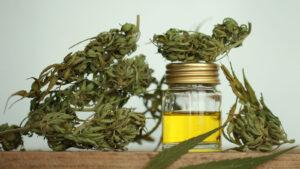
Cannabis Infusions: The Complete Guide | Bite Me Podcast Bite Me Podcast Episodes Resources Recipes Shop Home› Cannabis Resources› Cannabis Infusions: The Complete Guide Pillar

Exploring The Aroma Wheel, Cannabis Infused Topicals and Travel with Amanda Breeze Hello friends, this episode is a good one! I sit down with Amanda
Unlocking the Power of Cannabis Sublinguals Today, I’m excited to take you on a journey through the world of cannabis sublinguals, what they are, why

If you’re wondering how long THC from edibles stays in your system, you’re not alone. Whether you’re prepping for a drug test or just curious,
The Ultimate Guide On How To Calculate Potency in Homemade Edibles Welcome back, friends! After six years and over 300 episodes, I realized I’d never
The Bite Me podcast has covered cannabis topicals, infusion techniques, and home formulation across multiple episodes. Browse the archive for episodes on infused oils and cannabis beyond the kitchen.
Will a cannabis topical get me high? Most topicals will not. Cannabinoids applied to the skin do not typically reach the bloodstream in amounts that cause intoxication. The exception is transdermal patches, which are designed to cross the skin barrier. Intimate products may absorb more than a standard salve, so it is worth being aware of what you are using and how.
Do I need to decarboxylate cannabis for topicals? It depends on your goal. For muscle salves and general skin care, many home makers use undecarbed cannabis and report good results, since THCA and other raw compounds have their own properties. For products where you want activated THC, decarbing first is the better approach. When in doubt, decarb.
What carrier oils work best for cannabis topicals? Coconut oil is the most popular choice because of its high fat content, long shelf life, and skin compatibility. Jojoba, sweet almond, argan, and fractionated coconut oil are also widely used. Each has a slightly different texture and absorption rate. Choose based on the end product you are making.
Can I add essential oils to my cannabis topicals? Yes, and many home makers do. Essential oils like lavender, peppermint, eucalyptus, and tea tree pair naturally with cannabis topicals and add therapeutic properties of their own. Always use them at appropriate dilution rates for skin-safe applications, typically 1 to 3 percent of the total volume.
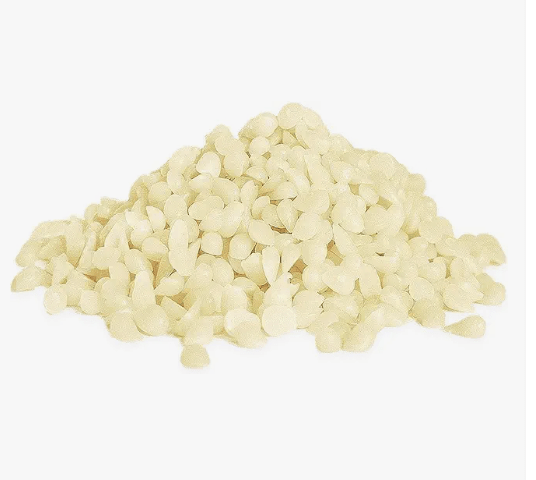
How do I make a firmer salve versus a softer body oil? The ratio of beeswax to oil controls texture. More beeswax means a firmer product. A typical starting ratio is about 1 part beeswax to 4 parts oil for a medium salve. Reduce the beeswax for a softer balm or body butter. You can also add shea or cocoa butter for a creamier texture.
Are cannabis-infused intimate products safe to use? Generally yes, when made with skin-safe ingredients at appropriate concentrations. Use clean, skin-compatible carrier oils and avoid products with irritating additives. Note that oil-based lubricants are not compatible with latex condoms. Always patch test a new formulation before full use.
How long do homemade cannabis topicals keep? Most oil and wax-based topicals last 6 to 12 months when stored in a cool, dark place. Adding vitamin E oil to your batch acts as a natural preservative and extends shelf life. Water-based topicals have a much shorter shelf life and require a proper preservative system if you go that route.
Do I need any special equipment to make topicals? Not much. A double boiler or a heat-safe bowl over a pot of water is the main tool for melting wax and infusing oils. A kitchen scale helps with ratios. Tins, glass jars, or small bottles work well for storage. Silicone spatulas and a thermometer round out a basic topical-making kit.