FAQ Section: Medicated Main Dishes
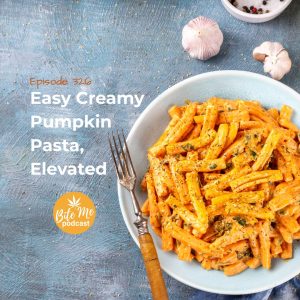
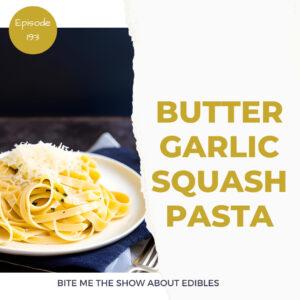
What’s the easiest cannabis main dish to make at home? Pasta dishes are the most accessible starting point. They already call for butter or olive oil, they come together quickly, and the sauce carries the infusion evenly through every bite. Infused butter garlic pasta or a creamy pumpkin pasta are great first attempts.
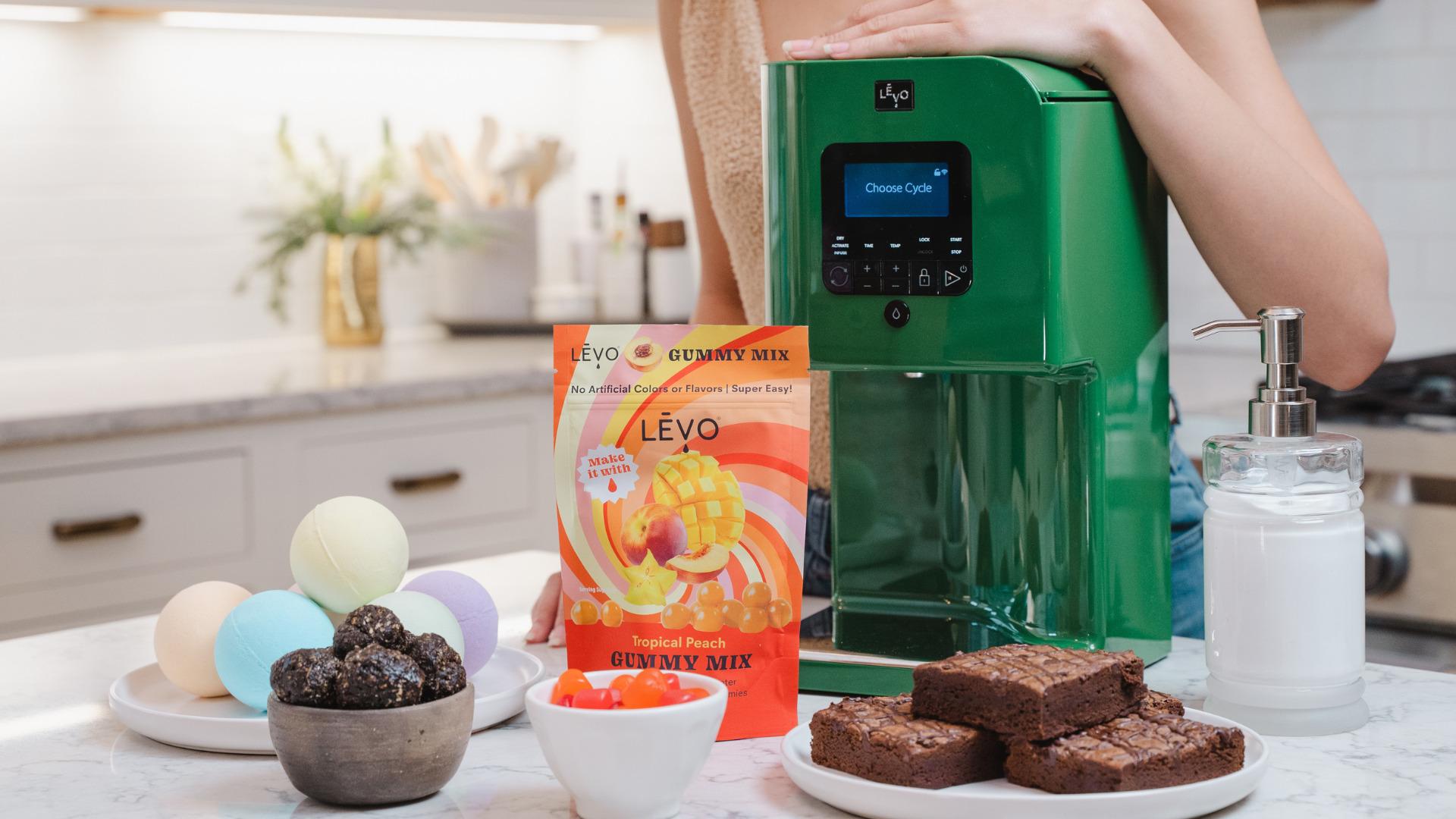
How do I infuse oil for savory cooking? Slow-cook decarboxylated cannabis with olive oil or coconut oil, on the stovetop over low heat, in a slow cooker, or using a dedicated infusion device like a LĒVO. Strain thoroughly, store in a sealed container in the fridge, and use it anywhere you’d use regular cooking oil.
How do I calculate the dose in a main dish? Determine your total infusion potency, add up how much you’re using in the recipe, then divide by the number of servings. If a pot of soup contains 80mg THC and serves 8 people, each bowl is approximately 10mg. Use the Bite Me Dosage Calculator before you cook, not after.
Can I cook cannabis at high heat without destroying the THC? Some degradation does occur at sustained high heat, but most stovetop and oven cooking stays within a safe range. The practical rule: avoid adding your infused oil or butter to a screaming hot pan. Add it at the beginning of a low-to-medium heat cook, or stir it in at the end of cooking for maximum potency retention.
Is it better to infuse the whole dish or let people dose individually? Both approaches work, but individual dosing is ideal when cooking for guests with different tolerances. Make a neutral version of the dish and serve infused oil, infused butter, or an infused condiment on the side so each person controls their own dose. This is exactly how the sweet potato chili recipe on this page works.
How long do cannabis main dishes take to kick in? Between 45 minutes and 2 hours, depending on your metabolism, body weight, and what else you’ve eaten. A full meal slows absorption compared to an edible on an empty stomach. Always wait the full 2 hours before deciding your dose wasn’t enough.
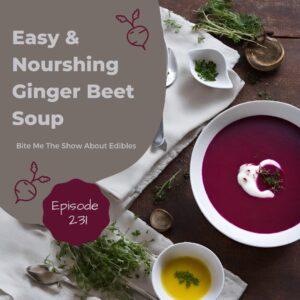
Can I make cannabis infused soups and stews? Absolutely — and they’re one of the best applications. Slow-cooked dishes like beef stew, chicken stew, or beet soup allow the infused oil or butter to fully incorporate into the broth, creating a consistent dose throughout the pot. Just add your infusion during cooking, not at a boiling stage.
Does cannabis change the flavor of savory dishes? A well-made infused olive oil or butter has a mild herbal quality that blends easily into bold savory flavors, garlic, spices, roasted vegetables, rich sauces. In most main dishes, it’s subtle or undetectable. Using a refined coconut oil or a tincture can reduce the cannabis flavor further if that’s a concern.
Can I serve cannabis main dishes to guests who don’t use cannabis? Only if they are fully informed and consenting adults. The best approach when cooking for a mixed group is to keep the dish itself neutral and offer the infused oil or butter as a topping on the side, so non-consuming guests can enjoy the same meal without any THC. Never infuse a dish without telling every person at the table.
What’s the best infusion to use in a main dish recipe? Infused olive oil is the most versatile for savory cooking — it works in pasta, soups, roasted dishes, and marinades. Infused butter is ideal for rich sauces, pan sauces, and anything calling for a buttery finish. Infused coconut oil works well in Asian-inspired dishes, curries, and stir-fries. Match the infusion to the fat the recipe already calls for.
How do I store leftover infused main dishes? Store them exactly as you would their non-infused counterparts, airtight containers in the fridge for several days, or frozen for longer storage. The critical step is labelling. Always clearly mark any container of infused food so it cannot be mistaken for a regular meal, especially in a shared kitchen or household.