Cannabis-Infused Oils Make The Most Popular and Practical Carrier
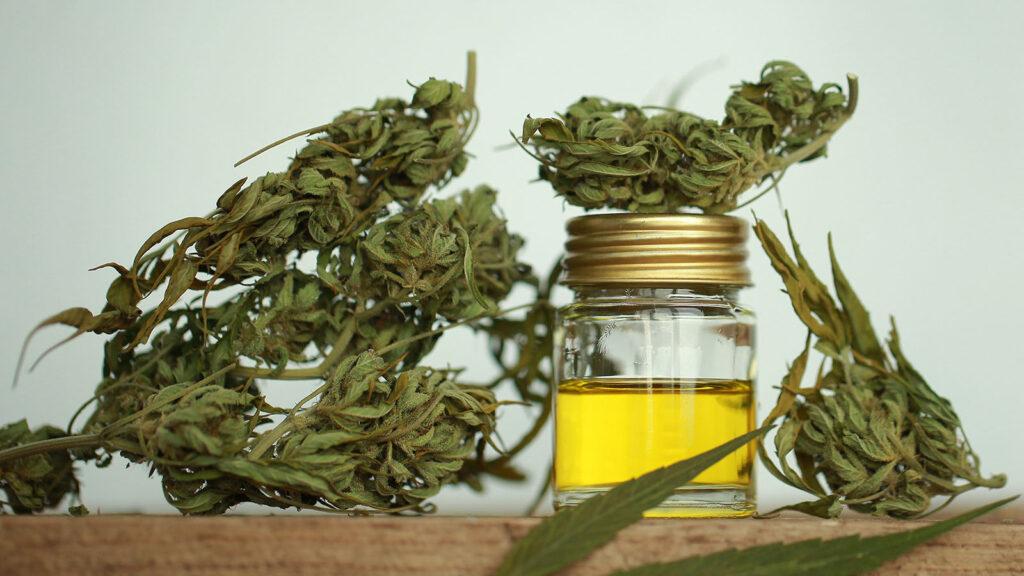
On top of being widely used in the Ganjier’s kitchen, these infusions are portable, thus easy to carry in a pocket or purse. Oils also have useful topical possibilities for therapeutic, medicinal and cosmetic applications. This article goes beyond the method to make cannabis-infused oils. You will discover the variety of oils that are popular in weed infusions, which ones are the healthiest, the best match for types of dishes and the most stable. You will also learn how to maximise the life and potency of your favorite infused oils.
Basics of Oils and Cannabis Infusions
Why are cannabis-infused oils popular?
- Variety – There are numerous oils coming from a variety of plants.
- Versatility in consumption – Cannabis-infused oils can be used in cooking, baking, topicals, tinctures, and capsules, making them a preferred choice for both edibles and wellness applications. You also carry a small bottle with a dropper in order to use it recreationally anywhere at all times
- Longer shelf life – Compared to butter-based infusions, cannabis oils have a longer shelf life, especially when stored properly in a cool, dark place.
- Precise dosing – Oils allow for easier and more consistent dosing, making them ideal for medical cannabis users who need controlled amounts of cannabinoids.
- Better cannabinoid absorption – Oils, particularly those high in fat like coconut or MCT oil, enhance the body’s absorption of THC and CBD, making the effects more potent and bioavailable.
- Health benefits – Cannabis-infused oils offer potential therapeutic benefits, such as pain relief, anxiety reduction, improved sleep, and anti-inflammatory properties, depending on the strain and cannabinoid profile used.
- Discreet and smoke-free – Infused oils provide an alternative to smoking or vaping, allowing users to experience the benefits of cannabis without inhaling smoke or strong odors.
- Customizable potency – Homemade cannabis oil lets users control the strength and strain selection, making it easy to personalize effects for different needs.
- Easy to make at home – With simple ingredients and basic kitchen equipment, anyone can make cannabis-infused oil at home, avoiding the need for expensive dispensary products.
- Use in skincare and topicals – Cannabis oils are popular in cosmetic and wellness products for their potential skin-nourishing and anti-inflammatory properties.
What oils are suitable to make cannabis infusions?
There’s a wide variety of oils you can use to make cannabis-infused oils. Every oil normally used for human consumption and topical application is suitable to make an infusion.
The most popular oils for cannabis infusions are:
- Olive oil
- Cocunut oil
- Avocado oil
- MTC oil
- Sesame oil
- Grapeseed oil
- Hemp oil
- Almond oil
- Sunflower oil
Which oil works best for specific types of infusions?
For Edibles & Cooking
- Coconut Oil – Best overall for baking, desserts, and making gummies due to its high fat content.
- Olive Oil – Great for salad dressings, pasta, sautéing, and general cooking.
- Avocado Oil – Best for high-heat cooking, such as frying or roasting.
- Sesame Oil – Best for Asian cannabis-infused dishes (stir-fries, formatted vegetables, dressings), particularly in Japanese and Korea cuisine.
Find sauces and condiment recipes.
For Tinctures & Sublingual Use
- MCT Oil – The best choice for liquid cannabis tinctures because it remains in liquid form and absorbs quickly.
- Olive Oil – Also suitable for tinctures and sublingual use, though it has a stronger taste.
- Grapeseed Oil – A light, neutral-flavored oil that works well for tinctures.
For Topicals & Skincare
- Coconut Oil – Best for homemade lotions, salves, and balms due to its moisturizing and antimicrobial properties
- Olive Oil – Common in skincare products, particularly for massage oils.
- Hemp Seed Oil – Rich in omega-3 and omega-6 fatty acids, ideal for nourishing the skin.
- Almond Oil – Gentle on the skin, making it great for facial oils and body care.
Find skincare recipes.
Are some cannabis-infused oils healthier than others?
Short answer: Yes
Here’s a complete list of criteria, to guide you to make cannabis-infused oils, ranked from the healthiest to the least healthy:
- Olive Oil – Rich in monounsaturated fats and antioxidants, supports heart health and reduces inflammation. According to the University of California Davis, Olive oil contains the highest levels of MUFAs of all plant based oils.
- Avocado Oil – High in monounsaturated fats and vitamin E, excellent for heart health and nutrient absorption.
- Hemp Seed Oil – High in omega-3 and omega-6 fatty acids, beneficial for heart and brain health.
- MCT Oil – Easily digestible, provides quick energy, and supports cognitive function, but lacks essential nutrients.
- Coconut Oil – High in saturated fats, good for metabolism but controversial for heart health when consumed in excess.
- Grapeseed Oil – Contains polyunsaturated fats and vitamin E but has a high omega-6 content, which may contribute to inflammation if not balanced with omega-3s.
- Almond Oil – Contains vitamin E and healthy fats but is lower in omega-3s compared to other oils.
- Sunflower Oil – High in omega-6 fatty acids and lacks omega-3s, which may contribute to inflammation if consumed in excess.
- Sesame Oil – Rich in antioxidants but contains high amounts of omega-6 fatty acids, which need to be balanced with omega-3 intake.
Are there unhealthy oils not recommended for cannabis infusions?
What are the main factors nutritionists use to gauge the healthiness of an oil?
1. Fat Composition (Saturated vs. Unsaturated Fats)
- Monounsaturated fats (MUFAs) – Found in olive oil and avocado oil, beneficial for heart health.
- Polyunsaturated fats (PUFAs) – Found in hemp seed oil and grapeseed oil, good in moderation but should be balanced with omega-3 intake.
- Saturated fats – Found in coconut oil and palm oil, can be beneficial in small amounts but should be consumed mindfully.
- Trans fats – Found in some processed oils (partially hydrogenated oils), highly unhealthy.
2. Omega-3 to Omega-6 Ratio
- Healthy balance (e.g., hemp seed oil, olive oil) reduces inflammation.
- Too much omega-6 (e.g., corn oil, sunflower oil) can contribute to chronic inflammation.
3. Processing & Refinement Level
- Cold-pressed/unrefined oils retain nutrients and antioxidants (e.g., extra virgin olive oil).
- Refined oils undergo high heat and chemical processing, stripping beneficial compounds (e.g., refined vegetable oils).
4. Smoke Point (Stability at High Heat)
- Higher smoke points (e.g., avocado oil, refined coconut oil) are safer for cooking.
- Low smoke point oils (e.g., flaxseed oil, unrefined olive oil) should be used raw.
5. Presence of Antioxidants & Nutrients
- Oils rich in vitamin E and polyphenols (e.g., olive oil, red palm oil) provide health benefits.
- Some oils lack natural nutrients and require synthetic fortification.
6. Absorption & Bioavailability
- Some oils help the body absorb fat-soluble vitamins (A, D, E, K) and cannabinoids better than others.
- Coconut oil and MCT oil are highly bioavailable for cannabinoids.
7. Impact on Heart Health
- Oils high in MUFAs and PUFAs (olive oil, avocado oil) support cardiovascular health.
- Oils high in processed saturated fats or trans fats (corn oil, hydrogenated palm oil) can increase cholesterol levels.
8. Inflammatory vs. Anti-Inflammatory Properties
- Olive oil, hemp seed oil, and flaxseed oil contain anti-inflammatory compounds.
- Corn oil, soybean oil, and sunflower oil are pro-inflammatory when consumed in excess.
9. Environmental & Ethical Considerations
- Sustainable oils (e.g., organic olive oil, cold-pressed hemp oil) are preferred.
- Palm oil is often linked to deforestation and habitat destruction.
Recommended oil-to-cannabis ratio for infusion
The ideal oil-to-cannabis ratio depends on desired potency, personal tolerance, and intended use. Below are standard recommendations for making cannabis-infused oil.
| Cannabis (grams) | Oil (cups) | Estimated THC per tsp (if 15% THC flower) | Potency Level |
|---|---|---|---|
| 3.5g (1/8 oz) | 1 cup (240ml) | ~22 mg THC per tsp | Low |
| 7g (1/4 oz) | 1 cup (240ml) | ~44 mg THC per tsp | Moderate/Average |
| 14g (1/2 oz) | 1 cup (240ml) | ~88 mg THC per tsp | High |
| 28g (1 oz) | 1 cup (240ml) | ~175 mg THC per tsp | Very High |
A Step-By-Step Guide To Make Cannabis-Infused Oils
Ingredients
🔹 Decarboxylated cannabis – Choose the amount according to the desired potency (look at our cannabis infused oil potency table above)
🔹 Your preferred oil – The quantity depends on your requirements and your desired potency
Kitchen tools
🔹 Double boiler, slow cooker, or saucepan
🔹 Cheesecloth or fine mesh strainer
🔹 Mason jar or airtight container
🔹 Grinder (optional)
🔹 Thermometer (optional but recommended)
Instructions
There are 3 main oil infusion methods for cannabis:
- Slow Cooker Method (a.k.a. Crockpot Method) – Best for beginners, set-and-forget process.
- Stovetop Method – Fastest, but requires constant monitoring to avoid overheating.
- Double Boiler Method – Gentle, controlled heat to prevent burning.
Slow cooker method cannabis oil infusion
- Add decarbed cannabis and oil to a slow cooker.
- Set to low (160-180°F / 70-82°C) for 4-6 hours.
- Stir occasionally and keep the lid on.
- Strain, bottle, label and store.
✅ Pros: Easy, low-maintenance, minimal burning risk.
⛔ Cons: Takes longer than stovetop methods.
Mason jar method cannabis oil infusion – this is one I use most
- Add your oil and decarbed cannabis into a clean glass jar with a lid.
- Fill pot with water and put the jar in the pot.
- Bring the water to a boil and then turn down the heat to a simmer. Heat at low temperature (160-180°F / 70-82°C) for 30 minutes – 2 hours. (Research now shows that most cannabinoids are extracted in the first 30 minutes.
- Stir occasionally.
- Strain, bottle, label and store.
Double Boiler Method
How to Use Your Cannabis-Infused Oil
- Add water to the bottom of a pot and set the double boiler on top.
- Add your oil and decarbed cannabis.
- Bring the water to a boil and then turn down the heat to a simmer. Heat at low temperature (160-180°F / 70-82°C) for 30 minutes – 2 hours. (Research now shows that most cannabinoids are extracted in the first 30 minutes.
- Stir occasionally.
- Strain, bottle, label and store.
If cannabutter is the classic, cannabis-infused oils are the workhorse. It’s more versatile, it stores longer, and it opens up a whole category of recipes that butter just can’t touch.
Neutral oils like coconut or sunflower disappear into baked goods beautifully. Use infused coconut oil anywhere a recipe calls for melted butter or vegetable oil, brownies, muffins, and energy balls are all excellent starting points. Olive oil carries more flavor, so it shines in savory applications: salad dressings, pasta, roasted vegetables, and dipping sauces. Infused sesame or avocado oil can even finish a dish right at the table.
Dosing works the same way here as it does with cannabutter. Start with a blend of infused and regular oil rather than going fully infused, and keep your portions consistent across the batch. A quarter infused to three quarters regular is a smart place to begin.
Storage and Shelf Life of Cannabis-Infused Oils
How you store your infused oil matters as much as how you made it. Light, heat, and air are the enemies of both potency and freshness.
Most cannabis-infused oils keep well in a cool, dark cupboard for one to two months. Refrigeration extends that to three to six months, and the freezer takes you up to a year without any meaningful loss of potency. Coconut oil will solidify in the fridge, which is completely normal. Just scoop what you need.
Olive oil is the exception worth knowing. It can go cloudy in the fridge, which is harmless, but it also degrades faster at room temperature than other oils. Keep it refrigerated.
For any oil, trust your nose. Rancid oil smells sharp, sour, or paint-like. If something seems off, it is off. Don’t cook with it.
FAQ: Cannabis-Infused Oils
What are the most popular cannabis-infused oils for edibles?
The most popular cannabis-infused oils for edibles are MCT oil (best for absorption), coconut oil (high in saturated fats), olive oil (great for cooking), avocado oil (high heat stability), and sesame oil (rich flavor for Asian dishes).
Is making cannabis-infused oils difficult?
No, making cannabis-infused oil is fairly simple but requires patience and low heat. The key steps are decarboxylation (activating THC/CBD) and slow infusion using a stovetop, slow cooker, or double boiler to prevent burning and maximize potency.
Is dosage easy to measure with a oil-based cannabis infusion?
Dosage can be tricky with oil-based cannabis infusions, but it’s manageable with proper THC/CBD calculations. Factors like strain potency, infusion strength, and serving size affect dosing. Using a THC calculator or lab-tested distillate ensures more precise measurements. Use a dosage calculator to help figure out the potency of cannabis-infused oils like the Bite Me Dosage Calculator.
Can all oils be infused with the same method?
Most oils can be infused using any of the 3 basic methods (slow heat infusion), but some require adjustments. Coconut and MCT oil work well with any method, while olive and avocado oil need lower heat to preserve flavor and nutrients.
Are some oils better suited for some specific type of dish?
Yes! Coconut oil is great for baking and no-bake edibles, olive oil works well in salads and savory dishes, avocado oil is ideal for high-heat cooking, and sesame oil enhances Asian-inspired recipes with its rich, nutty flavor.
- How long cannabis oil infusions last?
- What happens if I burn the oil?
- Do all the cannabis oils have the same shelf-life?
- Does a cannabis-infused oil applied to the skin provide a high?
- Is there an oil directly extracted fro the marijuana flower?
- Are some oils healthier than others?
- What is the recommended cannabis to oil ratio for microdosing?
- What is the recommended cannabis to oil ratio for mild edibles (beginner-friendly)? → 3.5g per cup of oil
- What is the recommended cannabis to oil ratio for medium potency edibles→ 7g per cup of oil
- What is the recommended cannabis to oil ratio for strong edibles → 14g per cup of oil
- What is the recommended cannabis to oil ratio for very strong edibles (experienced users) → 28g per cup of oil
Conclusion (100 words): Recap the process briefly and encourage readers to try the recipe. Invite them to share their experience or ask questions in the comments.
To learn about other cannabis infusions, please have a look at our complete guide.