Cannabis decarboxylation is a crucial process that transforms raw cannabis into a potent ingredient for edibles and extracts, activating the psychoactive effects of cannabinoids and unlocking its full potential.
This article explores everything about decarboxylation; it’s history, its significance in cannabis consumption, the 2 methods to decarboxylate mariujuana, and the science behind how it works, including the critical role of heat application in the decarboxylation process.
It also discusses various decarboxylation methods and equipment, from ovens to specialized machines, to ensure optimal results.
Additionally, learn how to avoid common pitfalls and calculate THC levels for your infused creations, ensuring quality cannabis products.
Key Takeaways:
- Decarboxylation is the process of activating the psychoactive compounds in cannabis, such as tetrahydrocannabinol (THC), making it suitable for consumption.
- Decarboxylated cannabis has been used for centuries in traditional medicine and cooking, but its importance in the cannabis industry has only recently been recognized.
- To properly decarboxylate cannabis and enhance THC activation, you can use common household items like an oven or a sous vide machine, or invest in a decarboxylation machine.
What Is Cannabis Decarboxylation?
Decarboxylation is a crucial chemical process that transforms cannabinoid acids, such as tetrahydrocannabinolic acid (THCA), found in the cannabis plant into their active cannabinoids, like tetrahydrocannabinol (THC), which is responsible for the psychoactive effects commonly associated with cannabis products. This process occurs through heat application, which removes a carboxyl group, allowing the cannabis compounds to become bioactive and readily usable by the body’s cannabinoid receptors. Understanding this process is essential for both cannabis extraction and the creation of high-quality cannabis-infused edibles, ensuring proper solvent selection and maximizing the potency of active cannabinoids.
A Brief History of Cannabis Decarboxylation
The history of decarboxylation traces back to the early studies in organic chemistry, where researchers began to understand the biosynthetic reactions that alter the chemical structure of compounds such as cannabinoids found in the cannabis plant. Understanding these chemical transformations, including the role of enzyme activity and biosynthetic reactions, is crucial for optimizing the medicinal use of cannabis.
Over the years, an array of pivotal milestones has shaped the comprehension of decarboxylation. In the 1960s, cannabis researchers like Dr. Raphael Mechoulam were instrumental in isolating cannabinoids and detailing their structures, thereby laying a foundation for further exploration. In recent decades, advances in chromatographic techniques have enabled more precise analysis of cannabis constituents, revealing how decarboxylation affects both THC and CBD levels in various strains.
- One significant breakthrough was the application of heat during the extraction process, which enhances the psychoactive properties of THC.
- The exploration into decarboxylation temperature and time has yielded critical insights for growers and medical practitioners alike.
As research continues to expand, it highlights the intricate relationship between these chemical processes and their therapeutic potential, paving the way for innovative medicinal applications involving cannabinoids like CBD and the therapeutic roles of serotonin and GABA.
Why is Decarboxylation Important for Cannabis?
Decarboxylation is essential because it activates cannabinoids, transforming them into their bioactive forms, which are critical for achieving the medicinal effects sought after in cannabis products. To put is simply: raw, non-decarbed cannabis won’t provide an effect. So munching on a raw cannabis flower will do nothing other that giving a strange taste in your mouth, and possibly a headache.
This process is crucial for anyone looking to harness the full benefits of cannabis, particularly when it comes to therapeutic applications such as pain relief, anxiety reduction, and anti-inflammatory effects, facilitated by effective THC activation. Without activation, compounds like THC remain in their acidic forms (THCA), which do not produce the desired effects.
By activating these compounds, users can experience enhanced relief and improved wellness.
- For instance, those suffering from chronic pain may find that properly decarboxylated cannabis offers more effective pain management.
- Similarly, individuals dealing with anxiety can benefit from medications that utilize activated CBD, allowing for a greater calming effect.
The process is fundamental in creating cannabis-infused edibles, ensuring that the cannabinoids present in recipes provide the intended relief when consumed.
How Does Cannabis Decarboxylation Work?
The decarboxylation process involves applying heat to dried cannabis flower, which triggers the removal of a carboxyl group from cannabinoid acids, effectively converting them into active cannabinoids like THC and CBD.
This transformation is essential for maximizing the therapeutic benefits of cannabis, as raw plant material contains mainly inactive cannabinoids. When heat is applied, typically within a temperature range of 220°F to 250°F, the carboxyl groups are efficiently removed over a period of 30 to 60 minutes. During this time, the molecular structure of the acids changes, resulting in the psychoactive properties desired by many users.
- At lower temperatures (around 220°F), the decarboxylation is slower but can preserve some less volatile terpenes, which contribute to the plant’s aroma and flavour.
- Higher temperatures may speed up the process but can also lead to the degradation of important components.
Understanding the precise conditions for decarboxylation is crucial for anyone looking to maximize the potency and effectiveness of cannabis-based products and achieve optimal extraction of cannabinoids.
What Equipment is Needed for Cannabis Decarboxylation?
To effectively carry out the decarboxylation process, various methods and equipment can be employed, including the oven method, sous vide method, and specialized vacuum decarboxylation machines, each with its unique benefits for activating cannabinoids.
Comparaison of the 2 cannabis decarboxylation methods
There are 2 marijuana decarb methods; oven cannabis decarboxylation and sous-vide (machine) cannabis decarboxylation). Let’s take a look at the main characteristics of each of these herb curing techniques:
| Feature | Oven Decarboxylation | Sous Vide Decarboxylation |
|---|---|---|
| Process | Spread cannabis on a baking sheet, heat in an oven | Seal cannabis in vacuum bag or mason jar, heat in water bath |
| Temperature | 220–240°F (104–116°C) | 203°F (95°C) |
| Duration | 30–45 minutes | 90–120 minutes |
| Equipment Required | Oven, baking sheet, parchment paper | Sous vide machine, vacuum bag or mason jar |
| Advantages | Simple, requires minimal equipment | Precise temperature control, preserves more terpenes |
| Drawbacks | Inconsistent oven temperatures may lead to uneven decarboxylation | Requires specialized equipment, longer process |
Oven Method to Decarboxylate Cannabis
The oven method is one of the simplest and most accessible ways to perform decarboxylation, utilizing controlled heat application to convert cannabinoid acids in the cannabis plant into their active forms, allowing for effective THC activation.
To begin this process, preheat the oven to a consistent temperature of around 220°F (about 104°C). This temperature is key, as higher heat can degrade cannabinoids, while lower heat may not activate them effectively.
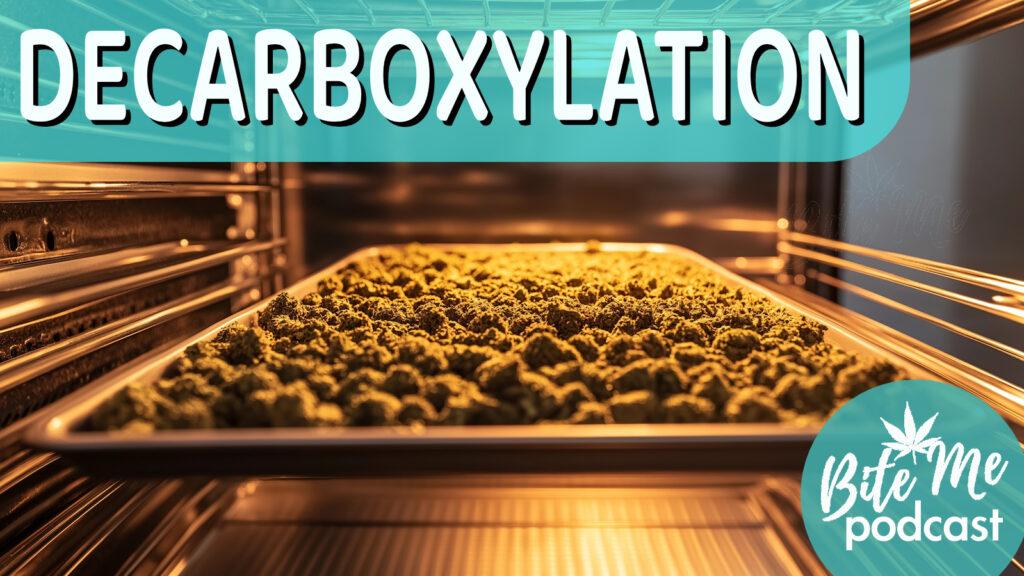
Next, ensure that the cannabis is evenly spread out on a baking sheet lined with parchment paper, preventing clumping which could disrupt proper heating.
- Once the oven reaches the desired temperature, place the baking sheet inside.
- Allow the cannabis to heat for approximately 30 to 45 minutes, flipping it halfway to guarantee uniform decarboxylation.
- You will start to notice a toasted cannabis smell.
Monitoring the color is essential; it should turn from green to a light brown. Common pitfalls include overheating or underheating. To avoid this, regularly check the temperature with an oven thermometer and consider keeping a close watch on the cannabis to ensure it doesn’t burn.
Is using a microwave over possible?
Yes, but it won’t provide the best results due to several challenges.
Challenges with Microwaving Cannabis for Decarboxylation
- Inconsistent Temperature:
- Microwave ovens heat unevenly, making it hard to maintain the consistent low temperature required for proper decarboxylation. This could lead to under-decarboxylation or burning.
- Terpene Loss:
- Microwaving can cause the loss of terpenes (compounds responsible for the flavor and aroma of cannabis) because of the high heat and rapid heating process.
- Risk of Overheating:
- Microwaves heat quickly, so cannabis may overheat and degrade the cannabinoids, reducing potency.
Suggested Method for Microwaving
If a microwave is your only option, follow these steps carefully:
- Grind the Cannabis: Break it into small, even pieces for consistent heating.
- Use a Microwave-Safe Dish: Place the cannabis in a glass or ceramic dish and cover it loosely.
- Start Low: Heat the cannabis on low power for 10-15 seconds at a time. After each interval, check the cannabis and mix it to ensure even heating.
- Monitor Closely: Use a thermometer if possible to ensure the temperature stays around 220–240°F (104–116°C).
Is Decarboxylating Cannabis in A Microwave Oven Effective?
Microwave decarboxylation can work in a pinch, but it’s not as reliable as traditional methods like using an oven or sous vide. For better results and to preserve the cannabinoids and terpenes, consider one of the more established methods.
Sous Vide Decarboxylation Method
The sous vide method offers a precise temperature control for decarboxylation, allowing users to maintain a consistent heat level for optimal activation of cannabinoids while minimizing the loss of valuable terpenes, enhancing the quality of cannabis products and minimizing smell.
This innovative technique operates within specific temperature ranges, typically between 190°F and 220°F, depending on the desired outcomes. When using sous vide, the user can allow the cannabis to cook for anywhere from 1 to 4 hours, ensuring that each cannabinoid is effectively converted.
Unlike traditional ‘oven’ decarboxylation method, which often involve the risk of overheating and can lead to the degradation of terpenes and cannabinoids, this method preserves the inherent flavors and potency of the product. This preservation is significant for those who appreciate the full spectrum of benefits offered by the source material.
- Consistent heat ensures effective activation.
- Lower risk of losing volatile compounds.
- Smell is almost eliminated.
As a result, the flavors are richer, and the effects are more pronounced.
Decarboxylation Machines
Decarboxylation machines – or decarboxylators – are specialized devices designed for automated decarboxylation, providing consistent temperature control and efficiency for those seeking to maximize the potential of cannabis extraction.
These machines not only simplify the process but also enable users to handle larger quantities of cannabis without compromising on quality. The precision heating technology ensures that the crucial compounds are activated effectively, resulting in a superior product.
Many users appreciate the ease of use; often, these gadgets come with pre-set programs, making it accessible for both novices and seasoned enthusiasts alike. These devices typically trap the smell as well, keeping the decarb process discrete.
Popular models such as the Ardent FX have garnered positive reviews for their innovative designs and functionality. Investing in a decarboxylation machine can truly enhance the overall experience and yield of cannabis processing, making it a valuable addition to any home setup.
Check out the LĒVO User Guide
How Does Decarboxylation Relate to Cannabis Infused Edibles?
Decarboxylation plays a vital role in the preparation of cannabis infused edibles, as it activates THC and other cannabinoids, ensuring that these compounds are effective and can deliver their intended effects when consumed, catering to the needs of those seeking therapeutic benefits.
Why is Decarboxylation Necessary to Create Potent Cannabis Edibles?
You need to decarboxylate cannabis for edibles because it transforms inactive cannabinoid acids, like THCA, into active cannabinoids, such as THC. This process enables users to experience the desired psychoactive effects and the therapeutic advantages of cannabinoids.
Understanding the role of decarboxylation is vital, as it directly influences the effectiveness and overall enjoyment of cannabis-infused foods, particularly concerning the activation of key compounds like GABA, serotonin, and dopamine. When this process occurs, cannabinoids become potent by converting THCA to THC, which is essential for achieving the intense sensations and relaxation that users seek. Ignoring decarboxylation could lead to disappointing results, as the inactive compounds would not produce the sought-after high, resulting in a lack of therapeutic benefits.
- Different techniques like oven decarboxylation offer precise temperature control, which can enhance potency and facilitate THC activation.
- Alternatively, using a sous-vide method might result in a more gentle transformation, preserving flavors without degrading cannabinoids and maintaining the integrity of both THC and CBD.
As such, mastering this process not only ensures efficacy but also enriches the overall user experience.
How to Decarboxylate Cannabis for Edibles?
To decarboxylate cannabis for edibles, one can employ various methods, including the oven or sous vide techniques, each with specific instructions to ensure effective cannabinoid activation, including THC and THCA, and optimal flavor enhancement in the final product that consumers expect from their homemade treats.
Understanding the decarboxylation process is crucial for anyone looking to create high-quality, potent edibles, as it involves the transformation of THCA into THC.
- Oven Method: Preheat your oven to 220°F (104°C). Spread the cannabis evenly on a baking sheet lined with parchment paper. Bake for approximately 30-40 minutes, stirring every 10 minutes to ensure even heating. This low temperature helps preserve the potency of THC and other cannabinoids.
- Sous Vide Method: This technique offers precision. Set the water bath to a consistent temperature of 200°F (93°C) and place your cannabis in a vacuum-sealed bag to ensure optimal THC activation during the process. Allow it to soak for 90-120 minutes, ensuring you retain maximum flavor and effect.
Regardless of the method chosen, using a thermometer is advisable to monitor the temperature closely, as overheating can lead to a loss of valuable compounds, including fatty acids and amino acids.
How to Calculate THC Levels in Infused Edibles?
Calculating THC levels in infused edibles is essential for users to understand dosage and potency, ensuring they consume cannabis products safely and effectively while maximizing the benefits of their consumption.
To accurately measure THC content, one must begin with the initial cannabinoid concentration of the raw materials used in the infusion process. Here’s how to approach the calculation:
First, determine the THC percentage of the cannabis starting material, typically available on packaging or lab reports. This figure is crucial for accurate dosing.
- Example: If the strain has 20% THC, that means every gram contains 200 mg of THC.
Next, calculate the total THC content extracted during infusion. Multiply the THC concentration by the weight of the cannabis used:
Formula: Total THC = (THC percentage) x (weight of cannabis in grams)
For instance, if you use 10 grams of cannabis at 20% THC:
Total THC = 200 mg x 10 g = 2000 mg
Consider dilution once the cannabis is infused into the recipe. Suppose you add the extract to a batch of brownies that yields 16 servings:
Formula: THC per serving = Total THC / Number of servings
THC per serving = 2000 mg / 16 = 125 mg per brownie.
Understanding these calculations makes it easier to enjoy edibles safely while tailoring doses according to personal preference, including factors such as arginine and GABA for a more balanced experience.
Also try the Bite Me Dosage Calculator and compare your results.
How to Store Decarboxylated Cannabis for Future Use?
Storing decarboxylated cannabis properly is crucial for preserving its potency, ensuring that active cannabinoids like THC and CBD remain effective over time, and preventing degradation into inactive compounds.
To achieve the best results, understanding the ideal conditions for storage is essential. Temperature is a key factor; it is recommended to keep the cannabis in a cool, dark place, ideally around 60-70°F, to prevent the breakdown of compounds like acetyl-CoA and malonyl-CoA.
Humidity plays a significant role as well; maintaining a relative humidity of 55-62% helps prevent mold and retains the integrity of the cannabinoids. Exposure to light can degrade the quality, so using opaque containers is advisable.
- Glass jars with airtight seals
- Vacuum-sealed bags
- Specialized cannabis storage containers
Consider avoiding frequent opening of containers to minimize air exchange, which can lead to oxidation. Following these tips will help enthusiasts preserve their precious products for longer periods.
What Are Some Common Mistakes When Decarboxylating Cannabis?
When decarboxylating cannabis, common mistakes can lead to ineffective activation of cannabinoids, impacting the overall quality and potency of the final cannabis products.
To ensure optimal results, individuals must pay close attention to several critical factors. First and foremost, temperature accuracy is essential; heating cannabis at too high a temperature can degrade THC and CBD, while too low can leave many cannabinoids inactive. Timing also plays a crucial role, as overcooking can result in loss of potency. Using improper equipment, such as a conventional oven instead of a precision thermometer-controlled system, can greatly influence the outcome.
- Always use an oven thermometer to monitor real-time temperature.
- Set a timer and check progress regularly to avoid over-decarboxylation.
- Consider using a sealed jar for a more even heat distribution.
By avoiding these traps, cannabis enthusiasts can significantly enhance the effectiveness of their decarboxylation process, ultimately leading to better THC activation and overall product quality.
Conclusion
Understanding to decarb cannabis is fundamental for anyone involved in cannabis, as it directly influences the activation of THC, THCA, CBD, and other cannabinoids, significantly affecting the quality of cannabis products.
This process transforms non-psychoactive compounds like THCA into their active forms such as THC, which is crucial for both medical patients seeking relief and recreational users looking for a fuller experience. Without proper decarboxylation, the potential benefits of cannabis may remain largely untapped.
Thus, practitioners and enthusiasts alike must recognize the significance of implementing proper techniques, including the use of precise temperature controls and monitoring THC activation, to achieve optimal outcomes.
- Decarbing cannabis enhances potency and efficacy.
- Incorrect methods can lead to loss of valuable compounds.
- Understanding heat and duration is critical for success.
Ultimately, mastering the art of decarboxylation not only elevates the quality of cannabis but also ensures that its full therapeutic potential can be realized by effectively activating THC and preserving cannabinoids.
Frequently Asked Questions about Cannabis Decarboxylation
What is decarboxylation?
Decarboxylation is a chemical process that gives cannabis its potency. I involves removing a carboxyl group from a molecule, usually through heating, to activate its desired properties, including those related to THC and CBD.
How does decarboxylation relate to cannabis infused edibles?
In order for the psychoactive compound in cannabis, THC, to have any effect when consumed through edibles, it must first be decarboxylated, transforming THCA into THC. This is because the compound is found in its inactive form, THCA, in the plant.
What cannabis material is needed for decarboxylation?
Decarboxylation can be achieved through various methods, but the most common equipment needed is an oven, a slow cooker, or a specialized decarboxylator device. Decarboxylators are popular amongst ganjiers for their ability to maintain consistent temperatures that enhance THC activation.
What is the history of decarboxylation?
Decarboxylation has been used for centuries in traditional medicine and cooking, but it was not until the late 19th century that scientists discovered its chemical properties and its role in activating certain compounds.
Why is decarboxylation important for cannabis edibles?
Without undergoing decarboxylation, the THC in cannabis will not have any psychoactive effects when consumed, limiting the potential benefits associated with compounds like GABA and amino acids. This makes the process essential for creating potent and effective cannabis-infused edibles.
Can I decarboxylate weed at home?
Yes, you can decarb weed in your home using common kitchen equipment. However, it is important to follow proper guidelines and instructions to ensure the process is done correctly and safely, including monitoring the activation of THC and maintaining proper humidity levels.
How long does decarbed weed remain potent?
Decarbed cannabis buds can remain potent for several months, assuming the conditions are perfect. Various elements come into play when it comes to curred marijuana potency, such as exposure to light, high temperatures and exposure to oxygen. High humidity is also a factor as weed buds are easily attacked by mold and mildew.
Does a raw cannabis plant provide the psychoactive effects?
No. Raw cannabis does not provide the expected psychoactive effects because it primarily contains non-psychoactive acidic cannabinoids, such as THCa (tetrahydrocannabinolic acid) and CBDa (cannabidiolic acid). For cannabis to produce psychoactive effects, THCa must be converted into THC (tetrahydrocannabinol) through a process called decarboxylation, which typically occurs when cannabis is heated or cured.
Can I decarboxylate cannabis in a microwave oven?
Decarboxylating cannabis in a microwave oven is possible, but it is not the most reliable or recommended method.
Do different cannabis strains require different decarbing weed methods or times?
Different cannabis strains can require slight adjustments to the decarboxylation process to create psychoactive THC due to varying cannabinoid profiles (THC, CBD, or others) and terpene content.
Are cannabis infused oils made from decarbed weed?
Yes, like all infusions, cannabis oils are infused with decarboxylated weed.
Does decarbing weed create additional volatile compounds in the cannabis?
Decarboxylated weed itself does not contain more volatile compounds raw marijunana, but it does activate cannabinoids such as THC and CBD by converting their acidic precursors (THCa and CBDa). However, decarbing weed can impact existing volatile compounds, especially terpenes, which are responsible for the aroma and flavor of the plant.
Is it recommended to ground cannabis before decarbing?
Yes, it ican be beneficial to decarb ground cannabis, as breaking the cannabis flower into smaller pieces ensures more even heating and a more complete decarboxylation process.
Want to learn all the terms used in marijuana infused foods?
Visit our complete Cannabis Edible Terms Glossary