What’s the easiest cannabis dessert to make at home? Infused brownies and cookies are the best starting point for most beginners. They use infused butter or oil as the base, which you make once and swap into almost any standard recipe. If you already know how to bake, you’re 90% of the way there.
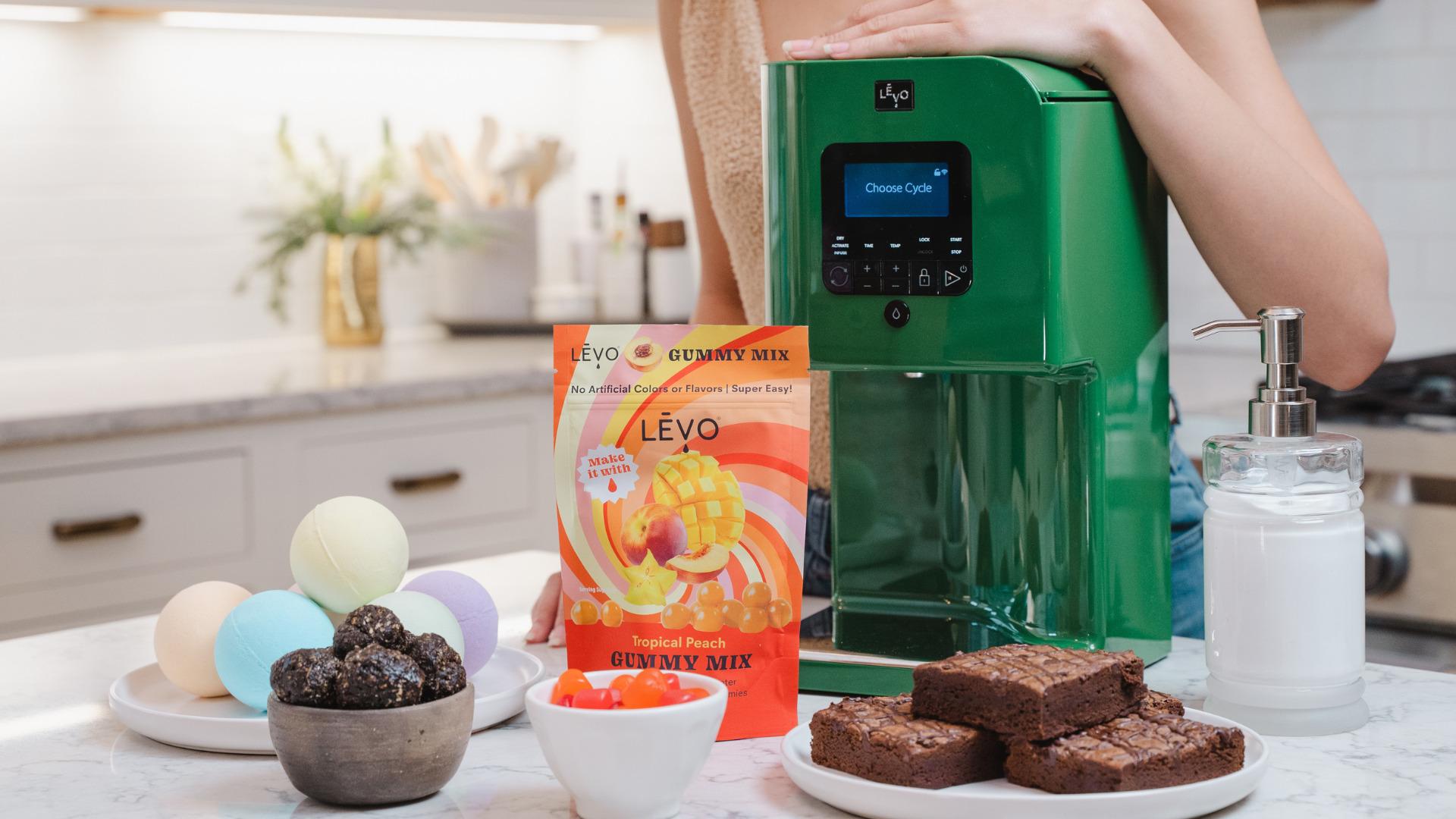
How do I infuse butter or oil for desserts? The most common method is slow-cooking decarboxylated cannabis with butter or coconut oil, either on the stovetop, in a slow cooker, or with a dedicated infusion device like a LĒVO. Strain out the plant material, let it set, and use it cup-for-cup in place of regular butter or oil in any recipe.
How do I know how much THC is in each piece? Divide your total infusion potency by the number of servings. For example, if your batch of brownies contains 100mg THC total and you cut 20 pieces, each piece is approximately 5mg. Use the Bite Me Dosage Calculator to work out your numbers before you bake.
Why do edibles hit harder than other methods? When you eat cannabis, THC is processed through your liver and converted into a more potent compound. This means the effects are stronger and last longer than smoking or vaping — often 4 to 8 hours depending on your metabolism, dose, and what else you’ve eaten.
How long do cannabis desserts take to kick in? Most people feel the effects within 45 minutes to 2 hours. The biggest mistake new users make is eating more because they don’t feel anything yet. Always wait the full 2 hours before deciding whether to have more.
Can I use any dessert recipe or do I need special cannabis recipes? Almost any recipe that calls for butter, oil, or cream can be made with an infused version. You don’t need a special cannabis recipe — just swap in your infusion and keep everything else the same. The recipes on this page are a great starting point, but your favourite family recipe will work too.
What’s the best fat to use for cannabis desserts? Butter is the classic choice and works beautifully in cookies, brownies, cakes, and bars. Coconut oil is a great dairy-free alternative and works especially well in chocolates and gummies. Heavy cream can be infused for mousses, ice cream, and ganache.
Can I make cannabis chocolate and gummies at home? Yes, and they’re more approachable than most people expect. Cannabis chocolate starts with a good infused coconut oil or cocoa butter. Gummies use a tincture or infused syrup blended into a gelatin or pectin base. Both give you excellent dose control since you’re portioning into individual pieces.
How do I store cannabis desserts safely? Store them exactly as you would their non-infused counterparts — most baked goods keep well in an airtight container at room temperature for several days, or in the freezer for months. The most important thing is clear labelling. Always mark infused items so they can’t be mistaken for regular treats, especially if you have children or guests in your home.
Do cannabis desserts smell or taste like weed? It depends on your infusion. A well-made infused butter or coconut oil has a mild herbal note that blends easily into rich, flavourful desserts like brownies or chocolate. Using a refined or deodorized coconut oil, or a tincture, can reduce the cannabis flavour significantly. Most people find it’s barely noticeable in strongly flavoured recipes.
What’s the difference between using butter, oil, and tincture in desserts? Butter and oil are interchangeable with their regular counterparts and work in any baked recipe. Tincture is alcohol or oil-based and better suited for no-bake recipes, chocolates, or anywhere you want precise dosing without adding extra fat. Each has its place depending on what you’re making.