The Unfiltered Journey of Ishqa Hillman and the Rise of the The Canna Boss Babes
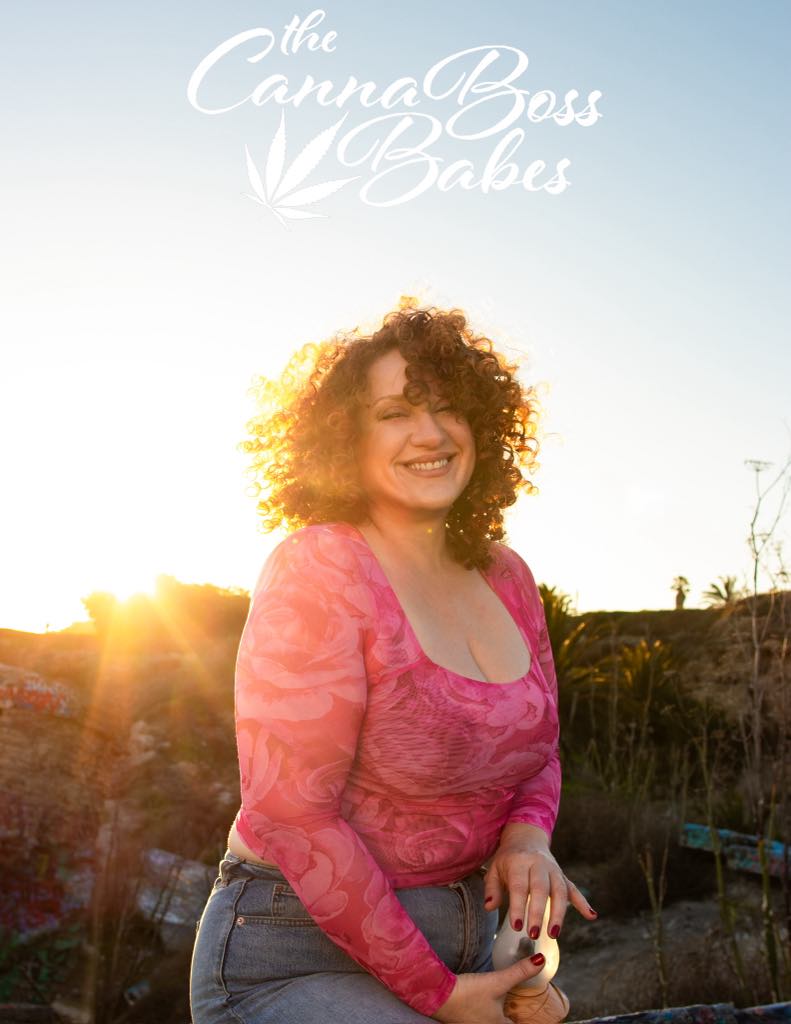
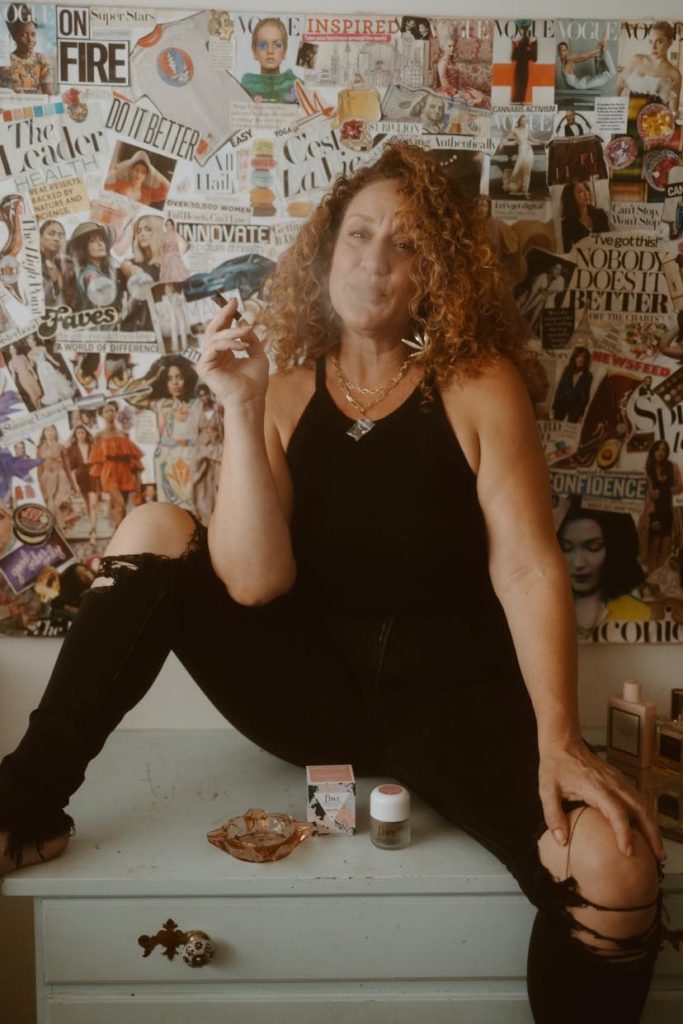
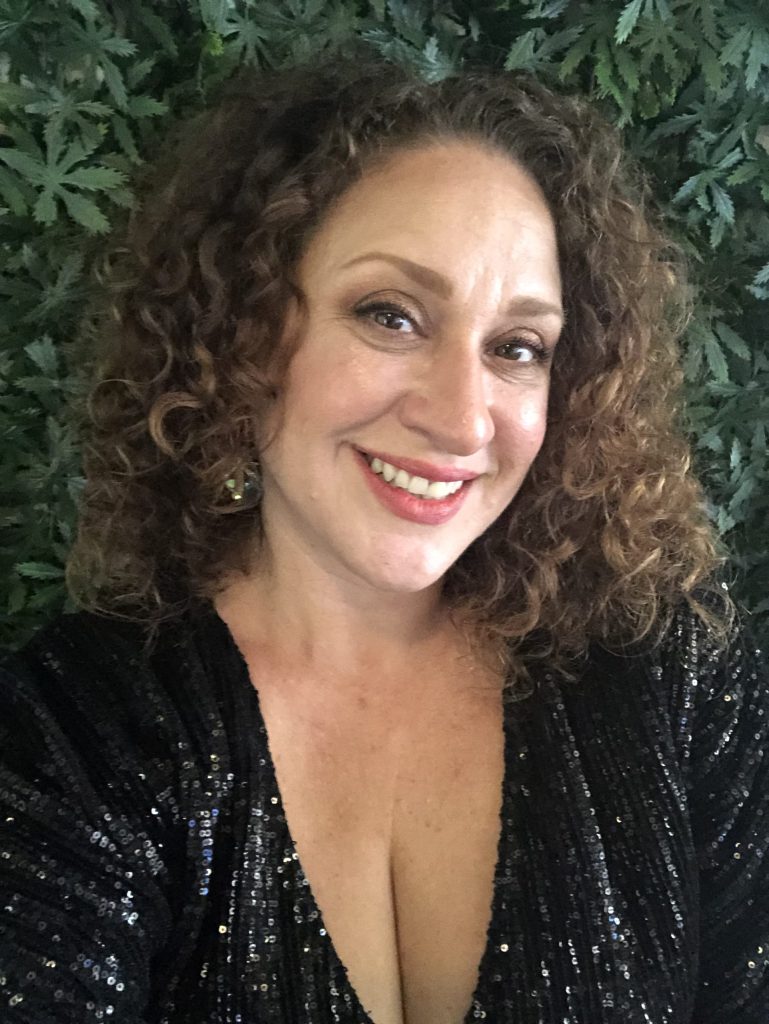
Hello friends, this episode of Bite Me is fun and vulnerable and I’m excited to introduce my interview subject of the day, Ishqa Hillman. In a world where the cannabis industry is often painted with broad strokes of green rushes and easy money, it’s a breath of fresh air to hear a story that’s as real and raw as it is inspiring. This is the story of Ishqa Hillman, the founder of The Canna Boss Babes, a woman who traded her six-inch heels and corporate life for a mission to build a more inclusive and supportive cannabis community. I sat down with Ishqa to share her incredible journey, and the key takeaways are a must-read for anyone interested in the cannabis space, entrepreneurship, and the power of authentic connection.
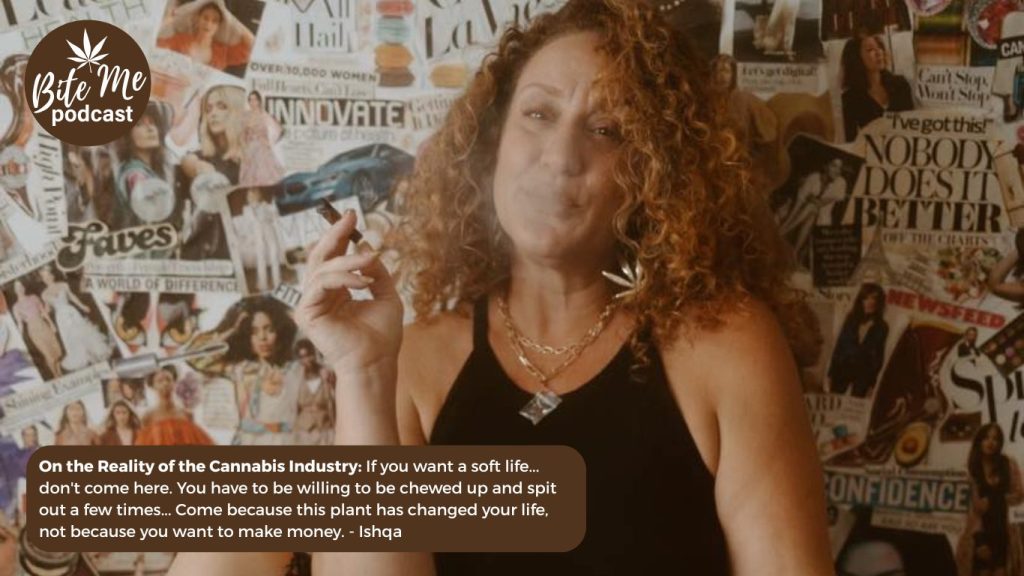
Listen to this episode:
The Accidental Advocate: A Journey of Healing
Ishqa’s path to becoming a prominent voice in the cannabis industry was anything but planned. A single mom with a 20-year corporate career under her belt, she found herself grappling with severe social anxiety, a consequence of a traumatic childhood that had long gone unaddressed. While she had a successful career, the emotional toll was immense. Sleep became a distant memory, and leaving the house was a monumental task.
After trying a slew of conventional medications with unsettling side effects, Ishqa turned to plant medicine, a field she had always been drawn to. Cannabis, a plant she had dabbled with in her youth, became her medicine. It helped her sleep, it helped her breathe, and most importantly, it helped her begin the deep, introspective work of healing. It was a slow process, but one that ultimately gave her back her life.
Her pivotal moment came not in a boardroom, but at a small cannabis education event. There, for the first time, she heard the term “endocannabinoid system (ECS) .” In that instant, her life changed. She saw a path to freedom, not just for herself, but for everyone who had been kept in the dark about the healing potential of this plant.
The Birth of The Canna Boss Babes: A Space for Real Connection
Armed with a newfound purpose, Ishqa initially envisioned a business consulting firm. However, the universe had other plans. As she began to connect with other women in the burgeoning cannabis industry, she noticed a disturbing trend: mean-girl cliques and a lack of genuine support. These were brilliant, entrepreneurial women who were being held back by the very community that should have been lifting them up.
One day, after witnessing a friend being bullied online, Ishqa had an epiphany. Instead of fighting for a seat at a table where they weren’t welcome, they would build their own. And so, The Canna Boss Babes were born. The name itself was a declaration of intent: they were bosses, they were building businesses, and they didn’t have time for the drama. The community grew organically, drawn together by a shared desire for a more inclusive and supportive space.
The Canna Boss Babes operate on a few simple but powerful principles. The first and most important is that a “Canna Boss Babe handles their own business first.” This is a reminder to prioritize self-care and to celebrate, not resent, when a member needs to step back to focus on their own well-being. The second is that a “Canna Boss Babe makes up their own mind.” This is a commitment to sharing information and supporting each other’s decisions, without judgment or control.
The “Survival Squeeze”: Navigating a Treacherous Landscape
While The Canna Boss Babes community was thriving, the broader cannabis industry was facing a harsh reality. The initial excitement of legalization had given way to a “survival squeeze,” with small businesses and entrepreneurs struggling to stay afloat. Ishqa is unflinchingly honest about the challenges. The biggest hurdle, she says, is the regulatory landscape. From exorbitant taxes to the threat of new regulations that would force small shops to hire expensive pharmacists, the system seems designed to favor large corporations with deep pockets.
She also points to the thriving traditional market as a direct consequence of the over-regulated legal market. High prices and inconsistent quality in dispensaries are driving consumers back to the underground, creating an issue of accessibility. The solution, she argues, lies in legislative reform. The industry needs banking, tax write-offs, and the ability to market and educate the public without fear of reprisal.
Social Equity: A Broken Promise
Ishqa’s critique of the industry doesn’t stop at regulations. She is also a vocal critic of social equity programs, which she sees as a well-intentioned but ultimately failed experiment. In her experience, these programs are often more about PR than genuine reform. She recounts her experience with a local social equity program where only one out of 87 applicants was approved for a loan. The city’s response? The other 86 “didn’t want it bad enough.”
This, she argues, is a classic example of the willful ignorance that pervades government bureaucracy. Social equity, she contends, is not the responsibility of the cannabis industry, which has already been disproportionately harmed by the war on drugs. It’s a systemic issue that requires a systemic solution, not a Band-Aid fix that places an additional burden on already struggling businesses.
Advice for the Aspiring Canna Boss Babes
Despite the challenges, Ishqa remains a passionate advocate for women in the cannabis industry. Her advice for those looking to build a career in the space is both practical and profound. First and foremost, she says, “don’t come expecting it to be easy.” This is not a “soft life.” It’s a challenging, often brutal industry that will chew you up and spit you out if you’re not prepared.
She also cautions against coming into the industry solely for the money. The real reward, she says, is in the plant and the community. She advises aspiring entrepreneurs to keep clients in other industries to ensure a steady income, and to be wary of opportunists who are drawn to the industry for the wrong reasons.
But her most important piece of advice is to find your community. The cannabis industry can be a lonely place, but it’s also filled with incredible, supportive people. The Canna Boss Babes Connect groups, which Ishqa hosts online, are a testament to the power of connection. In these groups, women from all over the world come together to share their stories, their struggles, and their triumphs. It’s a space where collaborations are born, jobs are found, and lifelong friendships are forged.
The Future is Female, and It’s Medicated
Ishqa Hillman’s story is a powerful reminder that the heart of the cannabis industry is not in the boardrooms of multinational corporations, but in the grassroots communities that are being built by passionate, dedicated individuals. It’s a story of healing, of resilience, and of the transformative power of a plant that has been misunderstood for far too long.
As the cannabis industry continues to evolve, it’s voices like Ishqa’s that we need to be listening to. She is a testament to the fact that you don’t need a fancy degree or a corporate background to make a difference. All you need is a passion for the plant, a commitment to community, and the courage to build your own table.
So, what’s next for The Canna Boss Babes? More connection, more community, and more opportunities for women to thrive in the cannabis space. As Ishqa says, “it’s all about creating more connections so that we can create more opportunities for growth.” And that’s a mission we can all get behind.
Visit The Canna Boss Babes
Pair this episode with: Buzz Kill: How Big Business Hijacked Cannabis Legalizaiton with Mike Devillaer
That’s it for this week friends. Please email me any questions, comments, pictures of your creations or anything else, I love hearing from listeners! Direct messages to stayhigh@bitemepodcast.com, or the podcast hotline.
You can also support the show by subscribing, sharing episodes, leaving a review or buying me a cookie! Whatever way you choose, I’m grateful that you’re listening.
Stay high,
Margaret
Frequently Asked Questions (FAQ): Bite Me Podcast Episode 325 with Ishqa Hillman
Q1: Who is Ishqa Hillman?
A: Ishqa Hillman is a single mother, former corporate professional, and the founder of The Cannaboss Babes, a collective dedicated to empowering entrepreneurship and creating opportunities for diversity within the cannabis industry. She is also a podcast host, community builder, and advocate for healing through plant medicine.
Q2: What is the “The Cannaboss Babes” collective?
A: The Cannaboss Babes is a community and support network for cannabis professionals, primarily women. It is built on principles of inclusivity, self-prioritization, and independent thinking. The group offers connection, resources, and a platform for members to share their stories and support each other’s growth in the industry.
Q3: How did Ishqa transition from a 20-year corporate career to cannabis?
A: Her transition was unplanned but driven by personal healing. After using cannabis medically to overcome severe social anxiety and insomnia, she attended a cannabis education event in 2019. Hearing about the endocannabinoid system for the first time was a pivotal moment that inspired her to shift her career focus toward advocacy and community building in the cannabis space.
Q4: What are the core rules or principles of the The Cannaboss Babes community?
A: Two key principles guide the community:
- Handle Your Own Business First: Members are encouraged to prioritize their own well-being and responsibilities, and the community celebrates when individuals take time for themselves.
- Make Up Your Own Mind: The collective is a space for sharing information and support, not for dictating choices. Members are empowered to make their own decisions.
Q5: What does Ishqa identify as the biggest challenges for small businesses in the cannabis industry?
A: She highlights crippling regulations and high taxation as primary hurdles. In California, taxes can exceed 35%, which is often more than the total overhead in other industries. She also expresses concern that federal rescheduling could introduce requirements (like having a pharmacist on staff) that would further disadvantage small operators.
Q6: What is Ishqa’s perspective on social equity programs in cannabis?
A: Ishqa is critical of current social equity initiatives, which she views as largely performative and set up to fail. She shares an example from Long Beach, California, where only 1 out of 87 social equity applicants succeeded in one program’s first year, arguing the system places an unfair burden on the cannabis industry to solve broader societal inequities.
Q7: What advice does she have for women looking to build a career in cannabis?
A: Her advice is direct:
- Don’t enter for the money; come because the plant has changed your life.
- Be prepared for a challenge; it’s not an easy industry.
- Find a supportive community but be discerning, as the space attracts both healing-centered individuals and opportunists.
- Diversify your income by keeping clients in other industries to ensure financial stability.
Q8: How can people connect with Ishqa Hillman and The Cannaboss Babes?
A: As mentioned in the episode, you can connect through:
- The Cannaboss Babes Connect online group, which hosts biweekly virtual meetings.
- Her podcast, which features conversations with a wide range of people in and around the cannabis industry.
- Industry events like MJ BizCon, where she co-hosts networking suites.
Q9: What personal revelation might surprise listeners about Ishqa?
A: Despite her outgoing public presence as a community leader and podcast host, Ishqa describes herself as introverted and someone who deeply values solitude. She requires significant downtime to recharge her “social battery” after events and loves spending time alone working on new projects.
Timestamps
Episode Timestamps: Ishqa Hillman – The Canna Boss Babes
[00:00:00] – Introduction to Bite Me Podcast and Ishqa Hillman
[00:01:39] – Meet Ishqa: Single Mom and Cannabis Journey Begins
[00:02:08] – Entering the Industry When Her Daughter Turned 18
[00:02:31] – Overcoming Severe Social Anxiety with Cannabis
[00:03:00] – Healing from a Traumatic Childhood
[00:03:54] – Why Cannabis Over Traditional Medications?
[00:04:39] – A Lifelong Interest in Plant Medicine
[00:05:49] – Early Cannabis Experiences and Stigma
[00:06:18] – The Pivotal Moment: Leaving Corporate for Cannabis
[00:07:01] – Working at American Honda Motor Company
[00:07:43] – Values Misalignment in Corporate America
[00:08:34] – Creating a “Better Human Experience” in Business
[00:09:16] – The Unplanned Transition to Cannabis
[00:10:00] – Growing a Business from 8 to 3 Locations and $5.8M
[00:10:26] – Resigning on 7/10/2019 (710 Day)
[00:11:15] – Hearing About the Endocannabinoid System for the First Time
[00:11:50] – The Life-Changing Vision: “Everyone Deserves to Be Free”
[00:12:17] – The Birth of Canna Boss Babes
[00:13:08] – Meeting Amazing Women in the Cannabis Industry
[00:14:06] – Encountering “Mean Girls” in Women’s Cannabis Groups
[00:14:53] – Creating a New Space: The Canna Boss Babes Philosophy
[00:15:46] – The Two Rules of Being a Canna Boss Babe
[00:16:47] – Original Vision vs. Evolution of Canna Boss Babes
[00:17:35] – The Pandemic, Free Time, and Big Dreams
[00:18:08] – Instagram Takes Down Their Page After 804 Lives
[00:18:35] – The Power of Consistency and Keeping Going
[00:19:30] – Launching The Canna Boss Babes Podcast
[00:20:15] – Favorite Podcast Guests and Impactful Stories
[00:21:11] – Sharing Stories of Non-Consumers and Allies
[00:21:55] – The Real Impact: Lives Touched Through the Work
[00:23:12] – Carl’s Story: From Fear to Leading 2,000 People in Indiana
[00:24:09] – Misty’s Story: From Social Media Help to Top Cultivator
[00:26:27] – Being a Connector: Rising Tides Lift All Ships
[00:26:56] – Biggest Challenges: Marketing Limitations and Social Media
[00:27:23] – Giving Grace: 80% of Disabilities Are Invisible
[00:28:26] – Detaching When People Aren’t Ready for Growth
[00:29:33] – Managing Social Anxiety: The Three Anchors
[00:30:49] – Developing a Mindset to Go Out and Do Events
[00:31:23] – The Comfort of Home and One-on-One Conversations
[00:32:03] – The Survival Squeeze for Small Cannabis Operators
[00:32:34] – Biggest Hurdles: Regulations and Rescheduling Concerns
[00:33:03] – California Taxes: The Burden on Small Businesses
[00:34:26] – Why the Traditional Market Is Thriving Again
[00:35:20] – The Need for Banking, Tax Write-Offs, and Public Education
[00:36:19] – How TV Shows Like “Shameless” Perpetuate Stigma
[00:37:25] – Mainstream Media vs. Real People Content
[00:38:33] – Building the Railroad: Sacrifice for Future Generations
[00:39:27] – Teaching Her Daughter About Cannabis as Medicine
[00:40:00] – Social Equity: “Fuck the Government”
[00:40:46] – The Failure of Social Equity Programs
[00:41:44] – Only 1 Out of 87 Social Equity Candidates Approved
[00:42:51] – Willful Ignorance in Government Bureaucracy
[00:43:14] – Is Social Equity Fixable?
[00:43:39] – Social Equity Is Not the Cannabis Industry’s Responsibility
[00:45:23] – Why the System Is Designed to Fail
[00:46:06] – 36% Taxes: More Than Most Business Overhead
[00:47:15] – Advice for Women Entering the Cannabis Space
[00:48:01] – Don’t Expect to Make Money; Come for the Plant
[00:48:45] – Finding Community and Being Wary of Opportunists
[00:49:22] – Join The Canna Boss Babes Connect Groups
[00:50:00] – The Power of Online Community: 20-25 People Connecting
[00:51:13] – The Mantra: “Just Do It”
[00:52:11] – First Published Article and Hosting First Panel
[00:53:29] – What Would Surprise People About Ishqa?
[00:53:51] – Loving Time Alone and Being in Her Head
[00:55:19] – Recharging After Big Events: Becoming Non-Verbal
[00:56:08] – What’s Next: Co-Hosting a Suite at MJBizCon in Vegas
[00:57:45] – New Podcast Episodes Weekly (Taking September Off)
[00:58:08] – Where to Find Ishqa and Canna Boss Babes
[00:58:26] – Closing Remarks and Thank You
# Bite Me Podcast - Episode 325
## Guest: Ishqa Hillman, Founder of Cannaboss Babes
## Host: Margaret
---
**Margaret:** [0:00:00] What happens when you take a love of food, a passion for culture, and a knowledge of cannabis and you toss them all into one bowl? You get Bite Me, the podcast that explores the intersection of food, culture, and cannabis and helps cooks make great edibles at home. I'm your host, Margaret, a certified gangier, TCI certified cannabis educator, and I believe your kitchen is the best dispensary you'll ever have. Together, we'll explore stories. [0:00:28] science, and the sheer joy of making edibles safe and effective at home. So preheat your oven and let's get ready for a great episode. And today I am joined for episode 325 by Ishqa Hillman. Ishqa hosts a podcast, runs incredible events, and is the founder of Cannaboss Babes. What's a Cannaboss Babe?
**Ishqa:** [0:00:51] I'm glad you asked. The Cannabis Babes are a collective of cannabis professionals who are dedicated to empowering entrepreneurship and creating opportunities for diversity to thrive within the industry. We cover a number of topics in this conversation, like how Ishqa transitioned from a corporate career to the cannabis industry, how she created a vibrant community around the Cannabis Babes, the hurdles that small business in the cannabis space have to confront, and how they can remain competitive.
**Margaret:** [0:01:20] and a whole lot more. Ishqa has become a voice in the cannabis community and the cannabis industry that is worth listening to. So without making you wait any longer, please enjoy this conversation with Ishqa Hillman. All right, we're live. [0:01:39] Ishqa thank you so much for joining me today i'm really excited to have you on bite me the show about edibles and before we get into today's conversation if you could just let the listeners of bite me know a little bit about yourself and your cannabis journey yeah um well it was unexpected i know that um i you know i kind of always go and i default to saying i'm just a single mom and so i
**Ishqa:** [0:02:08] am a single mom um i entered the industry when my daughter turned 18 but when she was about 12 i started using cannabis medically um i was struggling from some severe social anxiety um it took about four years before i was leaving the house regularly like a person normal person again um but i i went to work and i took [0:02:31] my daughter to school and that was pretty much the gist of it and cannabis really helped me basically what had happened and i didn't even realize it um was i had been operating without any kind of healing for a very very long time and not without any healing but um i had a very traumatic childhood i was on the streets and in juvenile halls and group homes as a kid so um i think my [0:03:00] default is always figure it out and keep going and so I'm very good at that and it caught up with me after a while um and so cannabis really I couldn't fucking sleep for like it was months it was so long it was so long and uh cannabis helped me start falling asleep at night it started helping me um slow down and breathe [0:03:29] and then eventually really just uh do some work on my own mindset which led to further healing the ability to go outside to a cannabis event and uh and continue to grow so right so what drew you to cannabis in the first place then as like a tool to help you through a lot of the stuff that you've been through versus other options that would be out there [0:03:54] Oh, I tried a lot of other options. I mean, that was, you know, I worked corporate for almost 20 years. Like I had great insurance. So, you know, the doctors were prescribing all the different options. I've just always been really sensitive to medication. And so, you know, they prescribe me something and they're like, you'll feel it in two weeks. And two days later, I'm like, my skin's crawling. Something's crawling under my skin. Get it out of me. [0:04:22] there's no way you can even feel it by now i was like no no get it the fuck out of me like i don't like this you know like my walls are moving in my office i'm not this is not what i want you know um so i think being that sensitive [0:04:39] has limited my options but also always made me really interested in plant medicine like one of the oldest books on my bookshelf is like this you know four inch thick natural encyclopedia from when my daughter was a baby so you know like i've always really loved plant medicine and been interested in
**Margaret:** [0:05:01] how we've always healed ourselves with what's around us and what is naturally provided for us. And so, yeah, I think definitely there was a little bit of stigma to get over. I think being a young single mom and it not always being legal when she was little, right? And being too afraid in my professional life and what I was trying to build for us.
**Ishqa:** [0:05:30] you know um financially to go and get a medical card or be on a list somewhere different things so it took a while before i started using it as medicine it definitely was like a fun little sneak recreation thing before that yeah
**Margaret:** [0:05:49] so you had a little bit of experience with it beforehand but oh yeah i mean i started smoking it when i was like 12. so right yeah that kid remember like yeah yeah that's fair yeah now it's you did mention that you're you're working in corporate for a long time so i'm glad you mentioned that because that sort of leads into my next question which was that you worked uh a corporate job i had built a career for 20 years and then [0:06:18] you have become a prominent voice in the cannabis industry and that's a pretty major shift going from corporate to the cannabis industry what was the most pitiful pivotal moment that made you decide to leave the corporate world and go dedicate yourself to cannabis and the cannabis babes
**Ishqa:** [0:06:35] Well, loaded question. And let's preface it by saying I was never a very good corporate employee. Right. Always ask too many questions. I always said a little too much shit. I was, you know, definitely always the one that was like. [0:07:01] I mean, I used to work for American Honda Motor Company, and it's a great company. I loved my experiences there. Having FedEx on site is a game changer when you suck at shipping things. While I worked there, all my Christmas presents were on time. [0:07:21] never been on time outside of that. So, you know, things like that on site, you know, like having your car get serviced and it like disappears while you're at work and it comes back and it's clean. And like, you know, there's definitely some perks that are nice. Right. I loved it. It was it was great. I loved the whole, you know, work Barbie. [0:07:43] outfits and six inch heels i used to wear then too because hey was i was in my 20s so um you know all of that was really great but i left because there um were things that were not in alignment with what they said their values were and that didn't make sense to me and when things don't make sense to me i ask questions and uh [0:08:09] in environments like that much like in the administration we have here in the united states today they don't like that so um when i was 29 i i left you know working in in large corporations to start working in smaller businesses where i felt i could have more of an impact and also help with some of those other things in order to create [0:08:34] um i've always called it a better human experience right it's like yes of course the customer experience you want the sales but that really begins with the employee experience and the employee experience is improved through you know clear communication efficient operations and and some fun little perks right like the like treating them like humans yes yeah i feel like more people need to be doing that these days but yes yes yes yeah [0:09:04] well you know yeah yeah that was what i thought i'd be doing the transition to cannabis was such an interesting thing because it was not planned i had actually um [0:09:16] Cannabis had been helping me heal for a few years into my last job. And my last company was amazing company in the architectural industry. It was a 10 year old business here in Long Beach, eight people making six figures. They were all very moderately happy. My hiring seminar, it was like me and a bunch of other people. And I was like. [0:09:38] I remember standing at the door and the owners like literally closing the door because we're like done, done. And I'm like wanting to know, well, what have your thoughts been on franchising and expanding? And like, and I'm just curious, you know, I'm always curious. And, and I ended up getting the job. And so within five years time, I helped. [0:10:00] them grow to three locations two states 5.8 million dollars through improving their different um systems and just a lot of things i don't a lot over there but it was time like there's something that i tell my daughter my daughter is in a transition right now she's 24 that um sometimes the universe will use people around you to move you you know like when our time is done it's done [0:10:26] and so i had no idea about the cannabis industry i hadn't even considered that but i knew that my time was coming to an end and i actually and the reason why i wear the 710 necklace is because i before i even knew what it meant i resigned on 710 2019 and so 11 days later was actually when i went to uh cannabis education like little thing after work one of the women i had hired [0:10:54] for that company years before was Moonlighting as a bud tender because, you know, we could do that here then. And so I was like, yeah, sure. I'm curious about learning more, you know, because it had helped me so much already at that point. I was curious. [0:11:15] and an industry and like, oh, brands and people and okay. And I go in and yeah, there are tons of brands, tons of people. The room was way too packed. [0:11:27] um but there was also speakers and that's where i heard the term endocannabinoid system for the first time and my life was changed in that instant i got visuals i always said i always feel like this too because i saw prison bars on this side with the doors opening and a golden cage with the door opening and i just was like
**Margaret:** [0:11:50] everyone has a right to know what this system does and that it's in our body and like we all deserve to be free so right i love that the ecs the endocannabinoid system is what changed you that's kind of that's really cool yeah and yeah how did canna boss babes come about then after that so that was such a funny thing because i had actually um
**Ishqa:** [0:12:17] gotten my business license and built a website and brochures and business cards and the whole champagne market for what I thought was going to be a curated culture. And so my idea when I left there was that I was going to be doing business consulting and then working in juvenile halls on my free time with kids like me to help. [0:12:39] just teach them some of the things it took me decades to learn about myself and my capabilities and my place in this world and what I'm capable of. And so, and I'm still learning those things, 48, still learning those things. But, you know, I thought that's what the plan was going to be. The cannabis babes resulted because from that first meeting, I started meeting people left and right. [0:13:08] And so it was the strangest thing because I really only talked to the people I worked with for four years, right? Like I didn't talk to other people for four years. All of a sudden there's all these different people, all these people, and I'm meeting them all and they're all very entrepreneurial, you know, like Prop 64 had just passed. So recreation had just legalized. So everyone's very hopeful and like wanting to have a [0:13:37] part within this ecosystem that we're building here. And it was just really inspiring to meet all these incredible women and then find out, oh, wait, they didn't know each other. So like from the beginning, even though I was the new girl, I was like, oh, well, you need you and you need you and you need you. And then simultaneously, here I am because I'm a corporate mom, kind of fresh out of corporate, right? I'm looking for all the events. I'm paying. [0:14:06] way too much money for a lot of these things um um and trying to find community and the women's groups at the time were not nice they were mean girls and so then also as i'm having conversations with these individual women that are amazing and need inspiration i'm hearing about these mean girls [0:14:27] And I was like, it's just so weird. And so how it happened was I was one day sitting with two of my friends and one of them was being threatened on Instagram to have her page taken down if she didn't unfollow someone. And I just, and my response was at the time, I'm 42. My daughter's 18. [0:14:53] I don't understand. We'll just create a new space and then people don't have to choose. And I went into Instagram and the Cannaboss Babes was available. Cannaboss Babes had been something from years before, but it hadn't been touched in years. So I was like, okay, the Cannaboss Babes, like we're Cannaboss Babes. We don't have time for this. Like we're doing things. And a week later I bought the domain and [0:15:21] um a few months later or no two weeks later we did our first event with my brother from another mother rika um and it just it took off like from the beginning though people are like oh i've heard of you oh i've heard of you and and i think it just was the name right like i think that he was one of those names like oh yeah you know um but [0:15:46] Yeah, that's what it is. And so, you know, we've got a couple little cannabis babe rules. The first one being, and the first one's always the main one, but a cannabis babe handles their own business first. And that is for us to know that we can prioritize ourselves and should prioritize ourselves. But then also as the group collective to not get upset when we go off and take care of ourselves in whatever way that looks like, but to celebrate the return, right? To celebrate that. [0:16:15] that that's a hard thing to do to go against the group right and do what you need to do for you but that's a good thing and we celebrate that here so that was one really important to me and then the other one is a cannabis baby makes up their own mind because like i don't want to be [0:16:32] responsible for anybody else's life decisions like we're here to share information and then we all support each other's decisions in whatever was best in that moment for them because yeah i just think that control stuff's weird
**Margaret:** [0:16:47] Yeah, absolutely. I totally agree with that. So you started Cannaboss Babes and it started out, as I understand, an entrepreneurial support platform. But now you've grown into a multifaceted brand. You have a podcast, you do some consulting services and events. So what was your original version for Cannaboss Babes and how has it evolved over the years? Obviously touching on the fact that you have all these cool things happening under one umbrella.
**Ishqa:** [0:17:13] thank you you know it's really funny i started this with a whole bunch of other people right like it was like a group of us it was the pandemic we had all this free time a lot of us had a little extra free money um and so when it got started there were a lot of ideas and also the recreational [0:17:35] industry was new and fresh and there was still money. And in California, we are struggling so hard. That's not here. That's not real. A lot of those were dreams and they're beautiful dreams and we'll see them through. It just wasn't going to be as quickly as maybe we thought as a group at the beginning. And so, you know, as the world went back into [0:18:02] It's new normal. And people went back to work and the kids are back in school. [0:18:08] actually in school and you know like i and instagram took our page in 2021 the end of 2021 after 804 lives which that just crushed a lot of the babes i don't know what's wrong with me like people always talk to me about oh your consistency as though it's a good thing and i'm always like there might be something wrong with me though like i don't know like i'm glad you think it's a good thing but there might be like [0:18:35] Sometimes I don't know why I keep going, but I do. It's really honestly for the conversations to be able to share the stories. It's my purpose. I don't know how to explain it other than that. It lights me up to be able to see and provide a space to allow others to feel their impact in the world. [0:19:01] Right. Yeah. That's such a beautiful thing. And that's one of the reasons why I love having guests on my show to talk about how they're sharing their cannabis message with other people. And so you, like I mentioned, you have a podcast and it's for, it's a top ranking podcast for, for women in cannabis. And what do you believe is the key to its success? Uh, and what are some of the most impactful stories you've had the opportunity to share and, you know, ask for a friend. So, um, yeah. [0:19:30] Gosh, you know, I think the key to its success is that I just kind of started doing it, right? That no one had to be perfect. That no one, that, you know, we were just doing it. Just having the conversations imperfect as they are. I think that that allows for more listeners and more people to. [0:20:00] self-identify and resonate with what's possible for them in hearing the real raw stories from others. And so, you know, I think sometimes that we see a lot of, you know, podcasts and everything looks shiny and fancy. And so we think that that's only for shiny and fancy people and not for us. [0:20:26] I pride myself on being a space that's for anyone who asks for it. You know, I've had people who don't even smoke cannabis. I had a woman reach out once and asked to be on the podcast and she waited her. I mean, it's it's. [0:20:42] I'm backed up, you guys. Like I'm booking 26 right now. It's September. Like, you know, so and she waited. She waited her. I think it was like two months and then came on and she didn't even know what CBD was. She just was on there and wanted to share the importance of women joining the trucking industry, both as one great way to be able to homeschool and raise your child. [0:21:11] from the road a great income and also the more women that we have on the road the more we can protect other women in the world right yeah i love that you're also sharing stories of people who don't necessarily consume cannabis as well because we need those allies in the cannabis space [0:21:28] And, uh, there's some of the best allies out there or advocates as well for the, for the plan. I mean, it was awesome because I got to start the show with a little teaching her a little bit about our plan too. And usually it's just me like, okay, teach me what you know. Right. Yeah. It was great. You know, like that's, that's good too. But, um, oh, my favorites, man, I've got, I've got. [0:21:55] I feel so blessed. I'm totally gonna start bawling again. I feel so blessed to have done this work and I don't even know all the lives that I've touched, but I do know that the people that reach out, let me know, like the impact's real, you know? Yeah. [0:22:21] Carl Wagner, high school teacher in Indiana. Indiana doesn't even have medical. Like, they're not anywhere. They're not even trying to do any of that. For years, years, he watched the show with, you know, like an Instagram handle. No one would know who he is. Years. Joined the Weed Mom Book Club, was the only guy in the Weed Mom Book Club and showed up every week. [0:22:48] but had his video camera completely off to protect his identity because again, scary situation in Indiana. And after a couple of years and after even coming on the show and sitting in the dark and sharing his story, like America's most wanted, like. [0:23:12] A couple, a few, just a few months after that, he ended up posting on Facebook and this beautiful op-ed as to why it's time for Indiana to wake up and start having this conversation. And now he leads a group of over 2000 people on Facebook and like, and that grew to like a thousand within the first year. And it just is so beautiful to see someone who was too afraid to advocate. [0:23:41] learn so much that they can't help but to right yeah and that and so like carl damn and respect because it's still not okay there you know yeah like absolutely dealing with that um and so i think anyone who can um put themselves out there and at risk that way um my babe misty is also one of my favorites she um [0:24:09] She was watching the show. She's actually local to me. She was watching the show. My daughter was helping me with all the social media and stuff at first. [0:24:20] it was a lot with all the different hosts and shows and things, you know, we had 10 shows a week. So it was a lot. And, and then she decided she was going to go and get a job. So I was like, Ooh, I'm gonna need some help. So I like put out a little call and Missy's like, Oh, I want to help with social media. And, and I was like, okay. And so we ended up meeting in person, which was fun. Cause we'd been, you know, engaging online for a long time. And I asked her and this, I ask everyone this.
**Margaret:** [0:24:49] what is it that you really want to do? Because I love to find ways for people to do that. That's what lights me up. And that's also what the show is about. And so she says, I really want to grow. I said, well, do you have experience? She's like, not really, like a little at home. I was like, okay. I don't know what it is. I always tell people give me like 48 hours.
**Ishqa:** [0:25:11] I got a phone call from a friend of mine. I also have a nonprofit. And so from the mental health sector, from my nonprofit life, right? Call me. She's like, you're the only person I know in cannabis. My husband's friend has a grow. He just lost his guy. Do you know anyone? And I said, well, would you consider a woman? [0:25:28] And she says, well, can she lift 50 pounds? I said, well, if Misty's not dabbing on her Instagram, she's lifting weights on her Instagram. So I'm pretty sure she can. She went in there on like a couple of days later on that Monday. Three months later, she was running that grow on her own. Now she's one of like the top fucking cultivators at one of the top brands actually in the world. And I won't name them because the owner doesn't want her to get. [0:25:58] poached so but like things like that you know like really being able to um you know but it's also been things like last year at the network show there was a young woman who i'd never even seen before and she was you don't know me but a couple years ago you said something on your story and i quit my job and here and handed me her babe she's like and now i have my own brand so like it's just cool it's a lot you know like it's a variety of things [0:26:27] it sounds like you're a real connector of people as well which is you know i think the world needs more of that it needs more of that kind of sentimentality around rising or rising tides lift all ships there's space for all of us in this in this cannabis industry but you've created a really strong community around the cannabis babes emphasizing inclusivity and support what are some of the biggest challenges and rewards of fostering community in an industry that's still pretty stigmatized [0:26:56] Oh, um, you know, the marketing, right? Like the being the the limitations that we have on social media, the limitations on really being able to expand in order to let more people know this community exists. I'd say that's probably the biggest challenge. Other things are also I don't. [0:27:23] It can be a challenge for me at times. I'm definitely human, not perfect at all. But this industry has really, and community has really taught me, and this plant has really taught me to give myself and others more grace. 80% of disabilities are invisible, and this plant is a medicine. We really don't know. We make a lot of assumptions. [0:27:53] based on how people look, that we have an idea of what they've been through. And the truth is we really have no idea. And so I think sometimes there can be challenges with that, with, you know, there's also challenges with, for me, because I had the social anxiety to all of a sudden go to very much more public positions is I don't always. [0:28:26] I have spent so much of my life looking to help people live to their highest selves. Not, you know, high on weed, but highest calling. And so I see that in a lot of people. And sometimes people want that for themselves. But the work to do that's hard. And they don't always want to do that part. And so I think sometimes the hardest part for me. [0:28:55] and I'm getting better, much better, is detaching from when they're not ready. And so really just like, look, creating more of this is an opportunity. I'd love to explore this with you. [0:29:10] when you're ready to show up for you let me know and so i used to chase and now i don't chase anymore yeah yeah yeah it's funny you mentioned you touched on the social anxiety again because i find it like you seem so outgoing and i feel like i could learn something from you about that and it's hard to imagine that you would have any kind of social anxiety so that's that's incredible to me [0:29:33] yeah i'm at home i'm at home my daughter and i talk about it as um so i say there's like three anchors that i have when i go out and so and it's do i know the people i'm going do i know the place i'm going and do i know what the i'm gonna wear like that's always the most anxiety producing um especially if i don't know where i'm going and maybe i'm arriving alone right and so like i don't know the parking situation [0:30:00] or like i don't know right so those are the three things that you try and like figure out ahead of time or one of those things that make you feel more comfortable you know i have to say now with cannabis the control i need to have over those things has changed right yeah and so now [0:30:23] I mean, one, I usually am going places where I'm going to know people. I went to New York earlier this year and I knew people there. So it surprises me how small this industry really is. And I love it. I'm grateful. I always have that anchor now, right? I may not know where I'm going or what I'm going to wear, but I know I'm going to know somebody. That helps. But also, I developed a mindset. [0:30:49] in order to be able to go out and do all this you know one [0:30:54] What you see here, I'm comfortable. I'm at home. Like, I've been saying for years, like, it's funny to me that this has blown up so much because I'm just a mom on her couch. You know, like, I'm like, I'm chilling at home and talking to people. Like, how much more comfortable does this get? I'm wearing pajama shorts underneath this dress right now. You know, like, I mean, you know, dress from the top up. Like, yeah, it's, this is easy. Like, I can be at ease here at home. I'm also hot. [0:31:23] Like, you know, I've got my stuff. I had a couple of bowls this morning before we did this as early as it is. So that helps. But also, I really love the conversations and the one-on-ones. Like, I love that. I do a group thing, though, too. We have an online group that we host biweekly on Mondays. [0:31:45] um and that's been awesome with people literally all over the world joining us like it's and all over the industry it's really kind of amazing all the different people that come together and the ways that we continue to find to connect so um yeah [0:32:03] No, that's fine. You've touched on too about the survival squeeze that small operators in the cannabis industry face. What do you think are the biggest hurdles for small business and entrepreneurs who are trying to succeed in a super competitive landscape? And also, I mean, I know this all too well myself, but just a landscape with players that have much deeper pockets than I do, or some of these other small players might. [0:32:32] I mean... [0:32:34] even the ones with the deeper pockets, those pockets are getting more shallow, right? Like really, honestly, the biggest challenge is regulations, is the whole federally rescheduling. My prediction, and I've been sounding like a conspiracy theorist online for a year now, but I think people are starting to believe me now, is that if we get rescheduled, how they're going to take out the smaller shops is by forcing them to have a pharmacist on staff. [0:33:03] And that's no small salary. Right. Right. But if it's, you know, schedule three. Yeah. Standard operating. So the regulations are a big one here in California. Taxes were raised even further on July 1st. It was announced yesterday that they will be dropped, but not effective until October 1st, which. [0:33:30] Why are you trying to take three months from people that you like you made that decision knowing we don't have it? But that's another way to take businesses out is so we see different phases. There's certain events of the year that you see that shortly after usually businesses are gone. It will be like your last big hurrah. And then a week later, oh, all these layoffs. That's a very common thing we see around here. [0:33:57] Taxes definitely take people out. We've got that a couple of times a year, you know, that goes through phases. And so what we've been seeing, you know, as we're going into our sixth year, right, of REC is that these investors even are like tired and this is a little too long a game for them to. Right. So that's the biggest challenge. [0:34:26] And then because of those taxes, the prices being too high, things not moving in the dispensaries. So then even the quality at the dispensary is less, even though you're paying more. So the traditional market is thriving once again. And, you know, and honestly, that all comes down to an issue with accessibility. Yeah.
**Margaret:** [0:34:51] Yeah. A hundred percent. So I guess you're suggesting that legislation is sort of the only way out of that, but that always seems like there's big. I do because that's how we, we need banking. We need tax write-offs. We need the ability to be able to market publicly and provide education and not just leave it up to some Netflix show to like half ass what the experience of weed is like, you know, we're getting better. [0:35:20] content but there's still so much stigma around the content that is being produced and it actually pisses me off so like yeah i love the tv show shameless and the last season of shameless they did weed so dirty i don't remember that and i watched all of it did they oh yeah no they did weed so dirty one of the first episodes of the season was that two guys in the bar
**Ishqa:** [0:35:49] I think ate a brownie or something and got stupid high and ended up like, cause they had a whole week after years of being heterosexual. Now all of a sudden are homosexual and there's nothing wrong with homosexuality, but to sit there and like, say that weed made them do like, I've never known anyone to get high off weed and make a decision like that suddenly. Right. Yeah. [0:36:19] that's not it sounds it sounds very reefer madness like yeah i totally forgot about that storyline like as real as that show had been for so many other things um like i my daughter and i laugh uh frank gallagher in that show is the father he is like my dad like every single episode my daughter and i saw we'd be like [0:36:41] poppy that is my dad he even kind of looks like him it's wild um so they got so many other things right and and yeah they that up it made me mad yeah because i i had totally forgotten that didn't two of the characters that ran the bar start a business selling edibles out of the bar yeah i totally forgot about that yeah [0:37:07] yeah i'm always surprised that the stigma is still hanging on so much even though legalization like where you are where i am has been around for a while it just always surprises me that the mainstream isn't catching on faster i don't get it but i guess there's still a lot of forces working against it unfortunately [0:37:25] it's really interesting you know it's it's mainstream media and it's the same thing that we see in our news right like we know we can't trust our news our news is propaganda mainstream media is too everything that we are fed or get to pay a subscription for is going to be what they want us to see and think um [0:37:48] I find content from real people way better. I love it. Like the, you know, who doesn't love a good like food account on Instagram, right? We all love to get good foodie things. I am no exception. I watch way too much food videos, but that's okay. And I love seeing like the chefs that'll just sit there and like, they're not even like stoner chefs necessarily or anything like that, but they'll be like, [0:38:16] i just had an edible we're gonna make this and then like you even see them as they eat it at the end their eyes are so low but they're so happy and i'm like that just that right like yeah [0:38:33] Yeah, we'll get, maybe we'll get there one day. Who knows? I guess we'll just have to wait and see, wait it out. But I mean, I've always said it's like, I feel like it's like the railroad. So I've always thought that like, this is like, we're building the railroad and some lives are taken and become a part of the railroad so that future generations can ride it more easily. And, and that's the work with, with this, that is the work with, with cannabis and bringing, bringing back plant medicine to the people. [0:39:02] Yeah. And that's so true too, because like there's kids growing up right now where I live that have never known it not to be legal, which is crazy to me, but yeah, they've just, dispensaries have always been there and that's like, that's their life. And I'm like, wow. We, a lot of people waited a long time. The conversation I had with my daughter when she was younger was it was medicine. She always saw it as medicine for me and, and it helped that she would see. [0:39:27] it's a fact right like she would know like oh we'd be out shopping and have to run a bunch of errands because it's like school shopping and like oh my god and i have social anxiety so like i don't want to do any of this but we got you because i love you and so anything for you boo boo like you know and and yeah and she'd be like um mom here take your vape this will help yeah [0:39:55] yeah now social equity in the cannabis industry is something that gets talked a lot about [0:40:00] but often it's a lot of words and not a lot of action from your perspective what are the most critical steps that need to be taken for a more equitable and just industry um oh god okay so [0:40:21] The reason why I'm hesitating is because my very first thought was fuck the government. I just I and I don't know. And I'm sitting here like trying like, well, how do I say that in a nice way, though? And then I'm like, well, no, but fuck the government. And and honestly, it's a setup. So social equity was a really good idea to make certain people feel good about things and like, oh. [0:40:46] and and you know to like get the support of and like oh it's a thing but i learned very early on in in working with a subcommittee here and my local government in the lovely city of long beach california um years ago and their social equity department that you know as long as the government's gonna hire idiots and people who are willfully ignorant um um and it's [0:41:14] By mandate, I'm sure. And like, you know, certain psych profiles only. IQ is very low. There's a willful ignorance there. My first call with them. So just so basically to the very first year of social equity, only one of 87 candidates made it through and got their loan. Only one of 87. [0:41:44] Right. The very first call. So we spent as a subcommittee, we spent months having conversations with people who are social equity, conversations with other operators in the space. I'm a part of my local LBCA, Long Beach Collective Association. It's different cannabis operators. I, of course, do not hold a license. However, being adjacent and volunteering for them. [0:42:10] from the very first time I heard endocannabinoid system at their, their event. I've, I'm active. You can't get me out of this stuff. So yeah, the very first meeting we had with our city department was. [0:42:28] uh hey there's a problem only one of 87 candidates made it through your system which means that it doesn't work and here's like the different points as to why and they said no no no only one out of 87 wanted it bad enough oh interesting that's an interesting way to look at that [0:42:51] you got to be that dumb on purpose. Like it was, it was, you have conversations with them and it is, you, you sit in city council meetings and, and, and they're dumb on purpose. You know, you talk about the environmental impact of bringing in these giant cruise ships and, and they're like, huh? Vote yes. We want the money. And it's just, yeah. Fuck the government. [0:43:14] So do you think there's anything that can be done to improve those kind of numbers? Like when they have social equity programs? Social equity and the way that they're set up is to put additional burden on other cannabis businesses. Social equity is not the responsibility of the cannabis industry. The cannabis industry has already been negatively impacted by the lack of social equity. [0:43:39] in the world, in the, in every industry, in, in as a whole. So to put the bird, so even the way that it's written again, right? Like it's good PR. So my, my wonderful mayor, Rex Richardson, who I'm not allowed to tag online anymore. I, I, he is such a sellout, but he, [0:44:07] you know i mentioned earlier nonprofit my partner in the nonprofit during the pandemic uh our local community here in the park the homeless issue way out of control um for two we celebrated their two-year anniversary of serving people a shower truck laundry truck clothing food weekly like you know trying to serve 100 people each week like it's not enough but it's something and [0:44:37] and all of a sudden you see after two years an article in the newspaper with rex and about 10 other people none of us have ever seen before talking about all the services we've been providing as though they've been providing it right who are who are any of those people [0:44:59] So it's PR. Everything with politics is PR. And that's the thing that, honestly, these cannabis conversations have taught me in the last six years is what a setup it all is. Right. Yeah. So there is no traditional, there is no real answer from our government, essentially, which kind of makes sense to me. [0:45:23] it does make sense to me no it's intended to fail all of this is intended to fail if you look at if they really wanted this industry to succeed they would not make it so hard to survive in [0:45:37] Taxes are 36%. Right now, 39%. Going back down to 36% on October 1st. Woo. 36%. When I first entered this space, because again, I was like business consulting, right? And I heard 36% and there's no financing and there's no marketing. And 36% in taxes alone is more than overhead is in most other businesses. [0:46:06] The entire overhead. And that's just taxes. That's not employees. That's not rent. That's not SCE and their bullshit electric bill either. It's what? Right. I don't know what's wrong with me. Like I said earlier, there's something wrong with me. I like a challenge. [0:46:26] let's go and that's kind of what happens yeah because the cannabis space is definitely very challenging to operate in i find even being in canada we've had legalization like rec for about over six years now it it's not any easier up here in a lot of ways because you don't have marketing your packaging is all right yeah yeah there's pretty much none so there's definitely challenges here as well but [0:46:51] as a woman you've broken a lot of barriers and you operate in a really male dominated space even though we're all here celebrating the plant which is female somehow it's still very male dominated but what advice would you give for other women who are looking to build a career in the cannabis space and are there any particular opportunities right now that are that are great for women in your opinion oh [0:47:15] I mean, I think there's always opportunities that are great for women to be in this space. It's not hard. It's not, you know, if you want a soft life, if you're a soft life. [0:47:24] kind of gal don't come here you know you have to be willing to be you know chewed up and spit out a few times um i i've earned a lot of cannabis stripes i used to be uncomfortable with people calling me an og because i don't feel like six years has been all that long but actually i've been through a few things i got some stripes over here so um you know don't come expecting it to be easy [0:47:51] um come because this plant has changed your life not because you want to make money um i don't [0:48:01] Yeah, I don't don't expect to make money. You know, if you're someone who has is able to serve a lot of people and do consultant type work similar to myself or 1099, definitely keep clients in other industries that will help you keep your lights on in between. [0:48:22] um and find community be wary though also there are again like 80 of disabilities are invisible going on um and also a lot of people are very you know cannabis has attracted a lot of really amazing [0:48:45] healing centered people and also a lot of opportunists and sometimes you can't tell them apart until it's too late so you know right don't dive in too quickly do your research um but also don't judge people based on other people's experiences entirely because you know everyone's got their [0:49:04] reason for their perspective. Right. Yeah. And I do love that you mentioned to find community as well, because I think that that's something that we all need, regardless of whether you're in the cannabis space or just living your life out in the world. Like we need, we need people. Yeah. To be around us and to support us. [0:49:22] Yeah, I would say join one of the Cannabis Babes Connect groups, you know, every other Monday evening. I love, that's really, we've done three. We just did the third one last night. It's an idea I've had forever. I had a guest on my podcast recently that was talking about being really lonely, like having so much work, she doesn't get to leave work very often, but wanting that community. And so like, oh, well, we can meet online. That's an easy thing. [0:49:52] and i was like i've been thinking about doing let me just do it let me just stop talking like let me just do it and it's been amazing like the very first one [0:50:00] You know, it's limited to 50 people. We end up having about half show up because, you know, it's a free event online. People forget and realize I didn't pay anything for it. So I'm going to go eat dinner instead and that's fine. But it's been about 20 people each time, 20 to 25. And we just kind of share who we are, what we're doing in the space, maybe some of what we're working on, how we'd like to serve or what we could use. [0:50:29] From the very first meeting, there was someone who needed an employee. Three of the other people ended up applying. One of them got hired. The other two ended up with one-on-ones with me, and one of them's going off, and I've connected her already to someone else to do something that was even more aligned with what she really wants to do. [0:50:48] um you know it's really exciting we've always got new people there's definitely a lot of familiar faces um there's big names from all over the industry too i really love my friends i'm so blessed like i geek out that these are like these are my people these are my friends like like luna stower comes and sleeps on my couch when you know like you know like yeah yeah um yeah [0:51:13] yeah well it's very cool that you started you call it cannabis babes connect i really love that idea and honestly when you said that you just wanted to do it my my mantra this year has been just do it because so often like i just overthink things and i'm sure this is an experience common to many people you just overthink things you're waiting for it to be perfect like all these reasons why you can't just do it and then when you do do it you're like oh my god i'm so glad i did just like your calls that you're hosting on monday nights so i yeah
**Margaret:** [0:51:43] I love that. Yeah. Well, in writing, I actually, it just was published for the first time two weeks ago, two weeks ago. And hosted my first panel last week as well. And those are two things that, you know, hosting a panel I've been wanting to do. Writing I've always loved to do, but I had in my head for the longest time, like I didn't go to school for that. I've not worked in like. [0:52:11] even though like I've literally created a magazine at everywhere I've ever worked. I've done it informally so many places throughout my entire life. So that was a huge thing. I wasn't even planning on doing that. It ended up being the publication wanted.
**Ishqa:** [0:52:31] um my connection to be in it and then said oh well Ishkol write an article about you and then ended up telling me I told them you'd write an article and I was like you did huh okay yeah well you know sometimes you just have to do it because it unlocked something in me in that I've always loved to write I write a ton on my blog um and and and I've always been like oh I'm not a writer and now [0:53:01] i get to be right yeah because you just did it i love it and it was great and everyone loved it so it was like that's exciting and affirming too is is you know yeah so i get to just share more stories in more formats and more ways and i've been getting really into like the seo and the blog and building out the website to also again just draw more attention to all of the stories you know um so yeah [0:53:29] Yeah. Now, this is a question that I like to ask a lot of the guests that I have on my show. So what would surprise people about you? Oh, that I'm not really extroverted. That is surprising to me. You seem very gregarious. I'm at home. Yeah. I, you know. [0:53:51] I love spending time alone. I really spend so much time alone. I do too. And so much time in my head. And I even like laugh at myself at how much I really do just entertain myself and dream up new work to do and new projects to do. Like no one pays me to do this. Like I come up with this stuff on my own. I just keep giving myself more work to do. And I love it. And it's just so fun. [0:54:21] Yeah. I love being alone. I think especially right now, um, being perimenopausal as well. I love sleeping alone. I go to bed at night and I like stretch out. I'm like, I'm so glad I didn't have to share with anybody. Like if I wake up at one o'clock in the morning and I can't sleep for four hours, like I'm just chilling and smoking weed in the living room. And like, no one's asking me, are you okay? Are you going to come in? Like, no, no way. Like sometimes it might be nice. Dinner was delivered to my desk because I'm. [0:54:50] not getting up but um and working late but you know other than that I really love being alone I I and then when I go out to my events it's lovely and wonderful but I do make sure to charge up a lot beforehand and I make sure to give myself a few days afterwards because some of the bigger events like one of my favorite things to do is go walk every day it's like a two almost three mile walk [0:55:19] and when i come back from big events i don't even want to go on my walk because i don't even want to say hi to a neighbor right yeah yeah yeah i think that's probably what would surprise people is like i do end up becoming non-verbal and then people like wait what and i'm like yeah i don't want to talk yet
**Margaret:** [0:55:40] i'm not ready i've got to recharge the social battery yeah now finally what is next for canna boss babes and do you have anything on the horizon that you're excited about in particular yeah um so i am co-hosting a suite in vegas again this year for mj bizcon with my babe kelly riddle who i hosted um a beautiful uh [0:56:08] townhome in hudson new york earlier with and so we're going to vegas we've got a corner suite at one of the top hotels the ones you guys want to be at and we've got sarah pyen coming in and hosting a few hours and and doing some fun things and luna stores coming in and hosting a few hours and we're gonna have a fun little photo shoot at the neon graveyard with 10 lucky influencers
**Ishqa:** [0:56:37] influencers and you know just uh i'm looking forward to more connections i love this i love being able to have everyone come from all over the world seeing all the babes together in person but [0:56:53] you know it can be overstimulating sometimes on the showroom floor and like a lot you know there's so much going on the conversations are like this versus when you have a suite where you know maybe we even have like massage therapist or something um and a nice little you know dabby dub bar um you can relax enough to have a conversation [0:57:20] and to really explore where alignment is between you and growth opportunities and and that to me is what it's all about is creating more connections so that we can create more opportunities for growth yeah that's amazing so people can look out for you at mj bizcon and of course you have your podcast that people can tune into as well because you do new episodes every when do you put out new episodes um [0:57:45] Every week we put up a new one. I am taking off September. September has been a big month. There's been a lot of different events, but I will be back in October. And then I'm also going to be podcasting live from Ignite It, which is formerly Benzinga. Their California market spotlight is here in Anaheim on October 8th, and I'll be podcasting live from there as well.
**Margaret:** [0:58:08] That's amazing. So I'll be sure to include all this stuff in the show notes so people can find you and find where to connect with you. And Ishqa, I just want to thank you so much for your time today. It's been a really great conversation and I appreciate you. Yeah. Thank you so much, Margaret. I can't wait for you to join me online. Yeah. I'm really looking forward to that too. [0:58:26] I trust that you enjoyed that conversation as much as I did. I will include the links of where to find Ishqa and the Cannabis Babes in the show notes. And please share this conversation with someone as curious about cannabis as you are. Join us over at the Bite Me Cannabis Club. And until next time, my friends, I am your host, Margaret, and stay high.
Sign up to receive email updates
Enter your name and email address below and I'll send you periodic updates about the podcast.
Leave a Reply